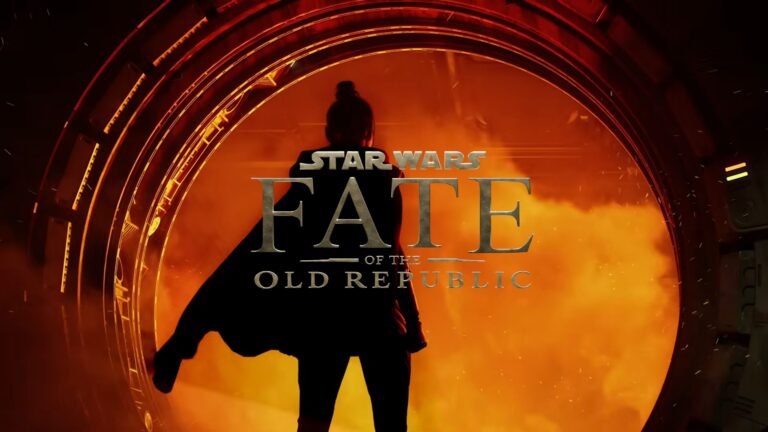

A brand-new gaming holding company called GreaterThan Group (GTG) has officially emerged with over $100 million in funding, and one of its biggest projects is the highly anticipated Star Wars: Fate of the Old Republic.
The company is led by former NetEase executive Simon Zhu, who says the modern gaming industry has become too focused on trends like AI and aggressive monetization instead of supporting talented developers and creative projects.
Former NetEase Executive Launches GreaterThan Group
Simon Zhu previously spent over a decade at NetEase, where he helped secure investments for major projects including:
However, Zhu eventually left the company after NetEase began canceling projects and reducing investments across multiple studios he personally helped support.
Now, through GreaterThan Group, Zhu wants to create a new developer-focused ecosystem built around experienced creators and long-term quality.
According to Bloomberg, GTG currently has:
- $40 million already secured
- Roughly $60 million more in funding commitments
Star Wars: Fate of the Old Republic Led by Mass Effect Veteran Casey Hudson
One of GTG’s biggest investments is Star Wars: Fate of the Old Republic, currently being developed by Arcanaut Studios under former Mass Effect director Casey Hudson.
Hudson is one of the most respected names in RPG development, previously helping shape both Mass Effect and the legendary Star Wars: Knights of the Old Republic.
Following the closure of his previous studio, Humanoid Origin, Hudson assembled a new team featuring multiple former BioWare veterans, including:
- Ryan Hoyle
- Caroline Livingstone
- Dan Fessenden
The game was first teased publicly during The Game Awards and immediately generated massive excitement among Star Wars fans.
Casey Hudson Says Bigger Games Aren’t Always Better
Interestingly, Hudson also revealed that Star Wars: Fate of the Old Republic will not attempt to become an enormous 200-hour RPG experience.
Instead, the studio wants to focus on meaningful storytelling and replayability through branching narrative choices.
“Bigger isn’t necessarily better,” Hudson explained.
According to Hudson, players will be able to replay the game and discover different storylines and outcomes without needing to spend hundreds of hours completing a single playthrough.
Casey Hudson Rejects AI in Game Development
One of the most notable comments from the interview involved Hudson’s stance on generative AI.
While many companies continue aggressively investing in AI-powered tools, Hudson made it clear that he has little interest in using the technology creatively.
“I just find AI to be creatively soulless,” Hudson stated. “I’m just really unimpressed with it.”
Simon Zhu echoed similar thoughts, arguing that the industry has become overly obsessed with AI and trend-chasing rather than supporting developers and building quality experiences.
GTG Wants to Support Creators, Not Just Chase Trends
According to Zhu, GreaterThan Group’s mission is not purely about maximizing profits.
Instead, the company wants to prove that games can still achieve:
- Artistic ambition
- Commercial success
- Player satisfaction
…without sacrificing creativity or developer well-being.
“You can have player satisfaction. You can have commercial success. You can have the achievement of art,” Zhu said.
At a time when the gaming industry continues suffering layoffs, cancellations, and rising development costs, GTG appears determined to position itself as a creator-first alternative focused on experienced talent and ambitious projects.
And with Star Wars: Fate of the Old Republic already generating serious hype, it’s definitely making an early statement.