
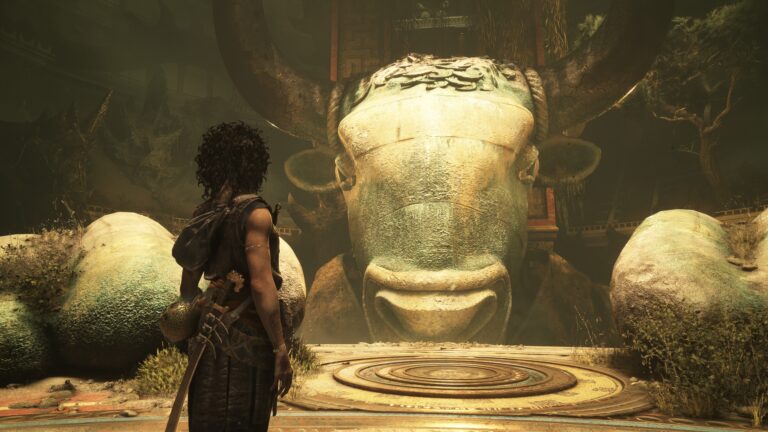

Resonance: A Plague Tale Legacy takes the series in a more action-oriented direction, replacing much of its predecessor’s stealth-focused gameplay with sword combat, exploration, puzzles, and a new mystery surrounding Sophia’s past. It doesn’t always get the balance right, but when everything comes together, this is another beautiful and memorable journey in the A Plague Tale universe.
INFO
DEVELOPER
Asobo Studio
PUBLISHER
Focus Entertainment
RELEASE DATE
27th August 2026
GENRE
Action Adventure
PLATFORMS
PlayStation 5, Xbox Series X/S i PC (available on Xbox Game Pass)
REVIEW KEY
Bought by myself
PLAYTIME
15 Hours
REVIEWED ON
PS5 PRO
A Mystery That Takes Its Time
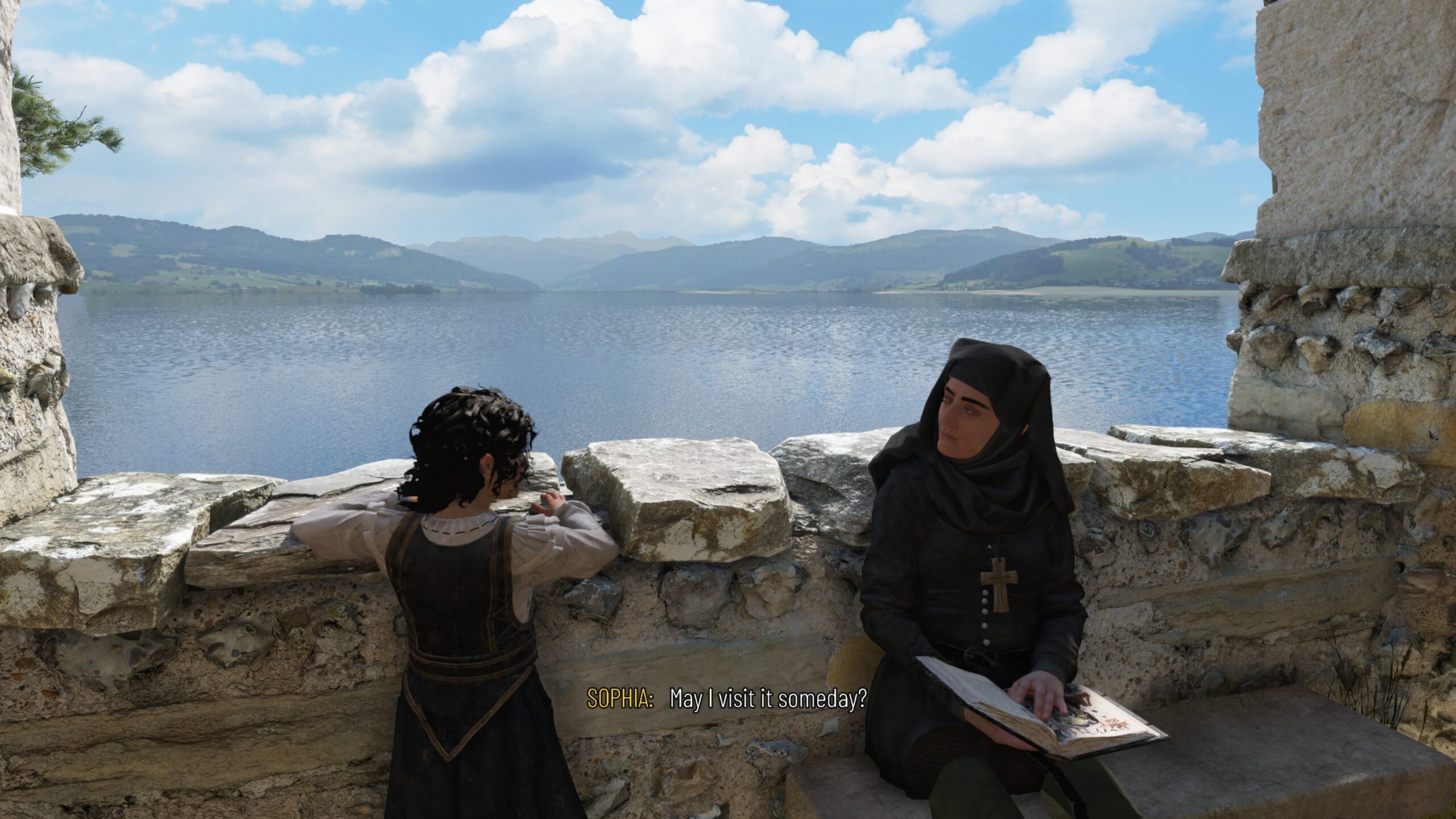
Set 15 years before the events of A Plague Tale: Requiem, Resonance follows a younger Sophia and explores a part of her life we previously knew very little about.
The game remains predominantly linear across its 14 chapters, occasionally opening into larger areas that reward exploration. At the center of everything is Sophia’s journey with her friend Leni toward the mysterious Minotaur’s Island, a place connected to her father, her childhood visions, and secrets she has yet to understand.
Without entering spoiler territory, Resonance deliberately keeps you in the dark during its opening hours. The island, its mythology, and Sophia’s connection to it are hidden behind layers of mystery.
Unfortunately, that makes the beginning very slow.
It takes time before the story reveals where it actually wants to go, and some early sections lack momentum. Yet this eventually becomes part of the story’s appeal.
After finishing the game, I found myself looking back at those opening hours differently. Knowing the significance of certain characters, locations, and events gives many earlier moments considerably more meaning, to the point where I think I would actually enjoy the beginning more on a second playthrough.
Once Resonance starts revealing its secrets, it delivers the mixture of beauty, tragedy, and mystery that I wanted from an A Plague Tale story.
Absolutely Beautiful Art Direction
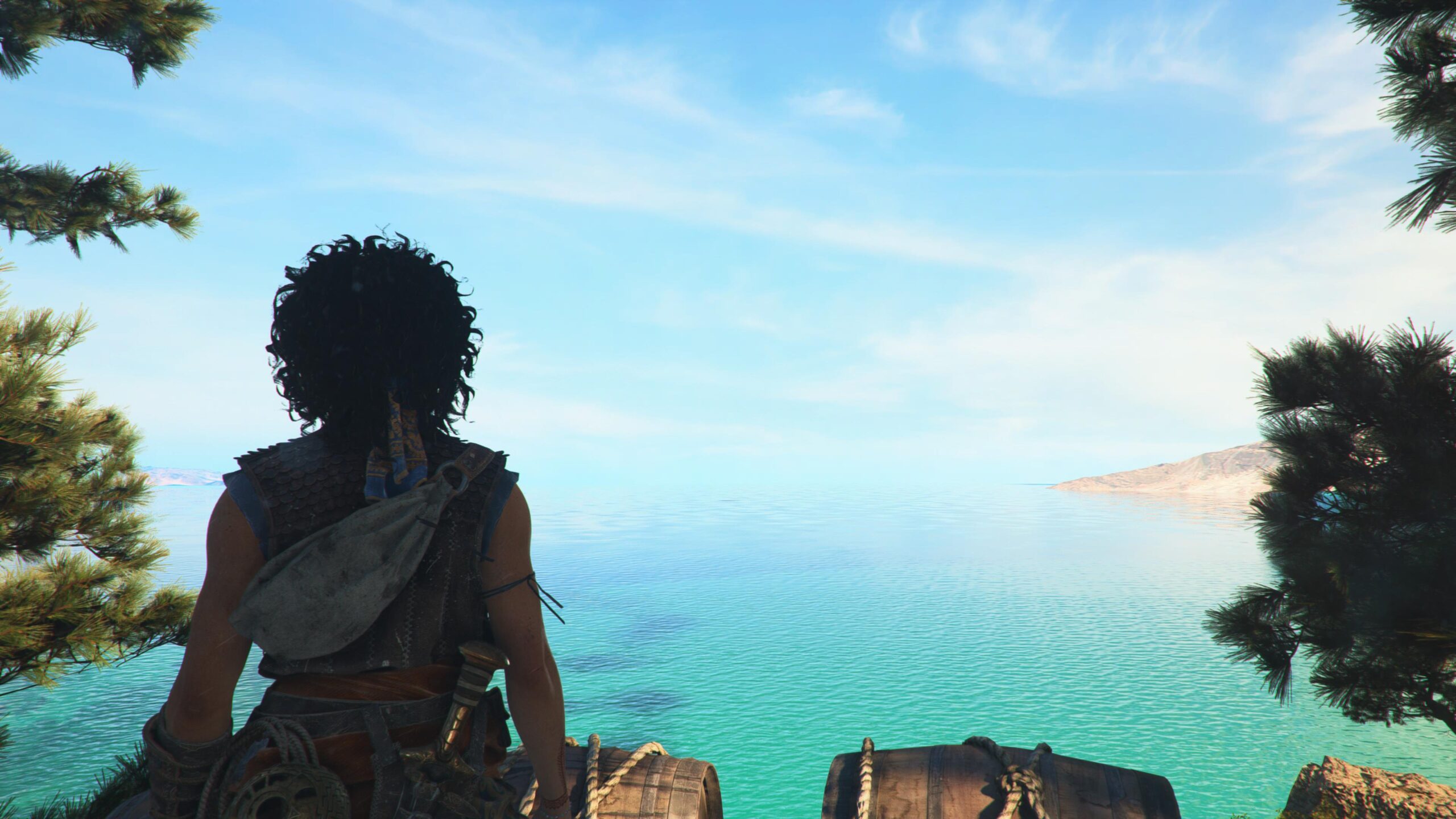
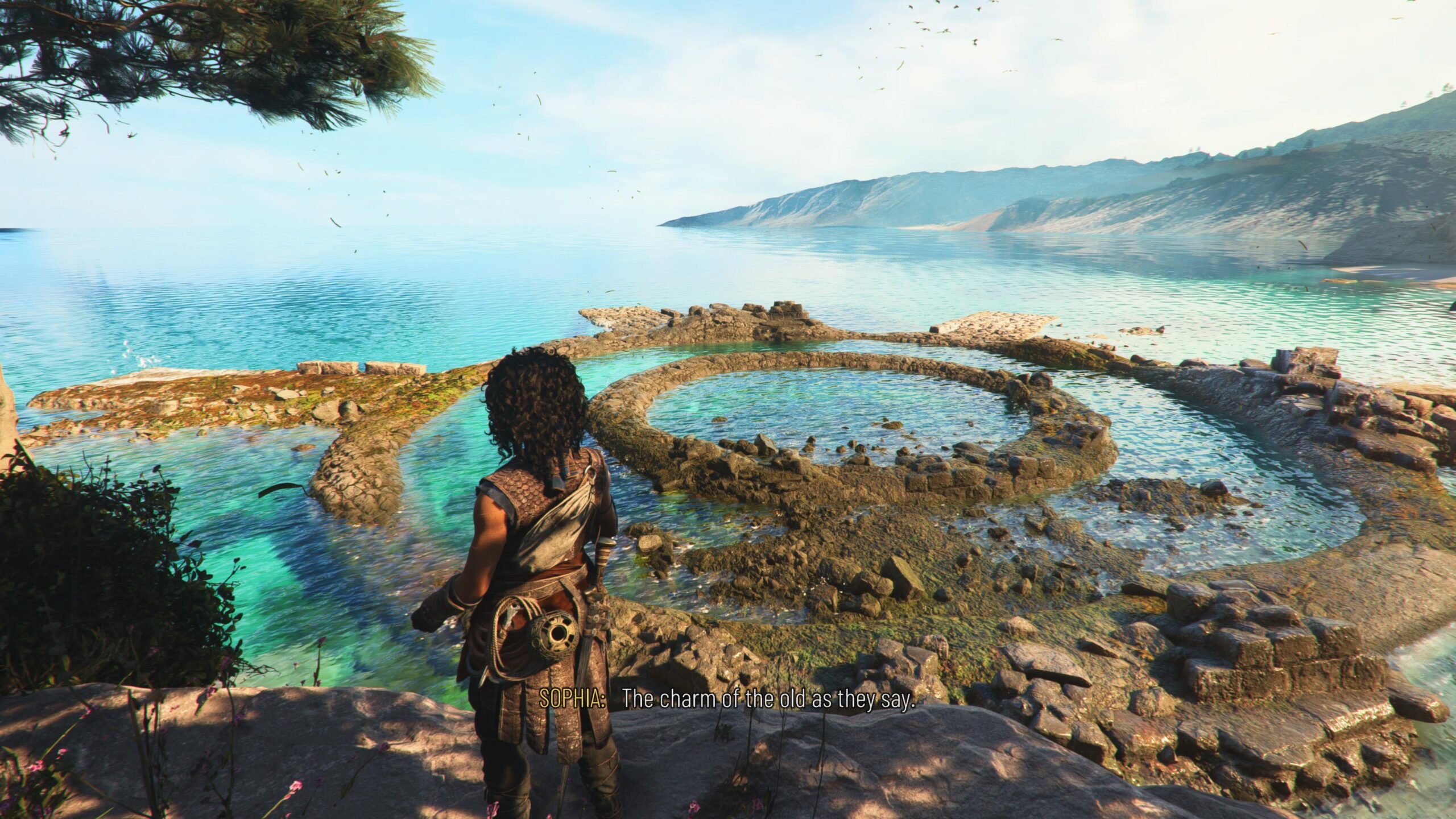
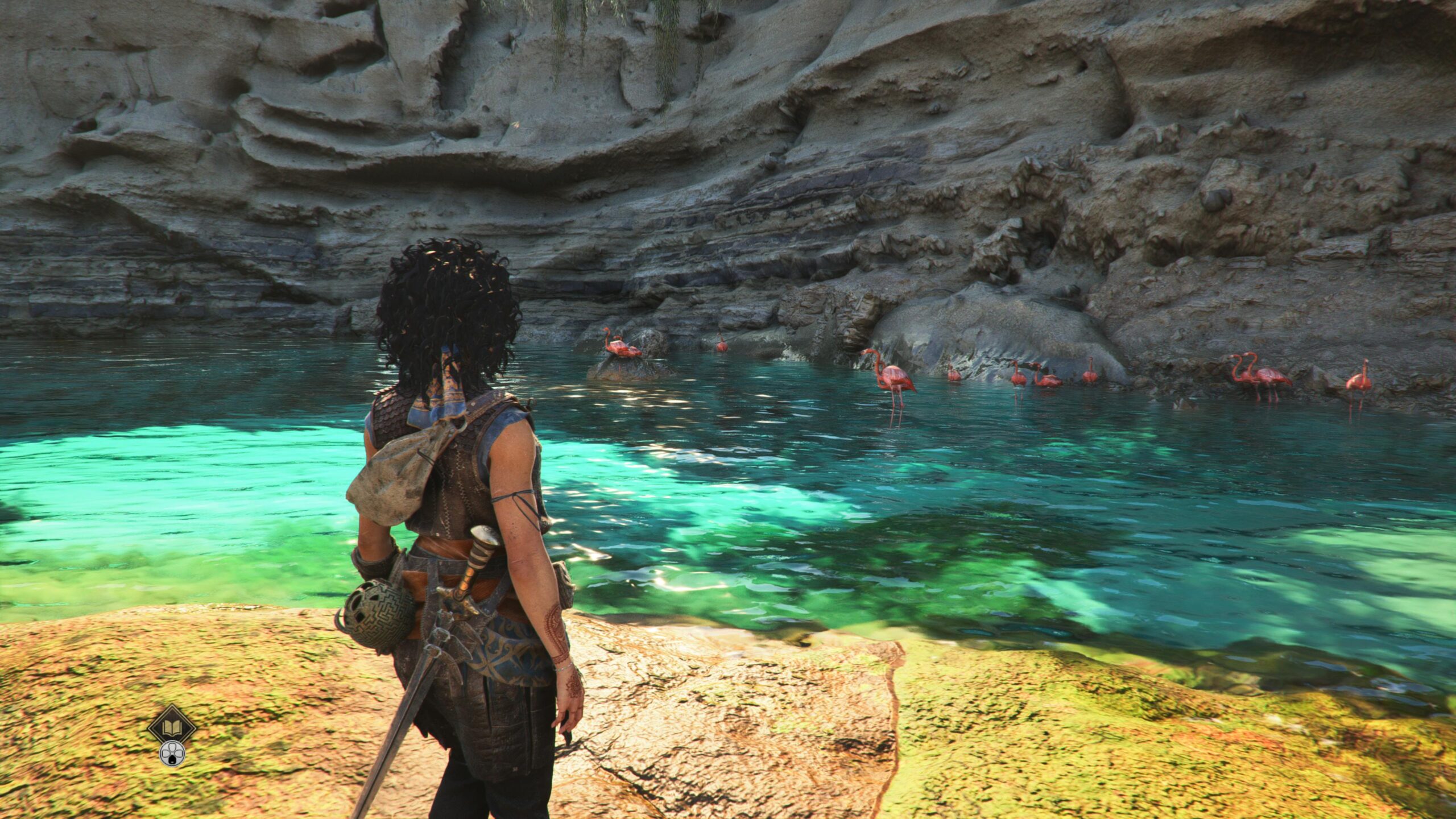
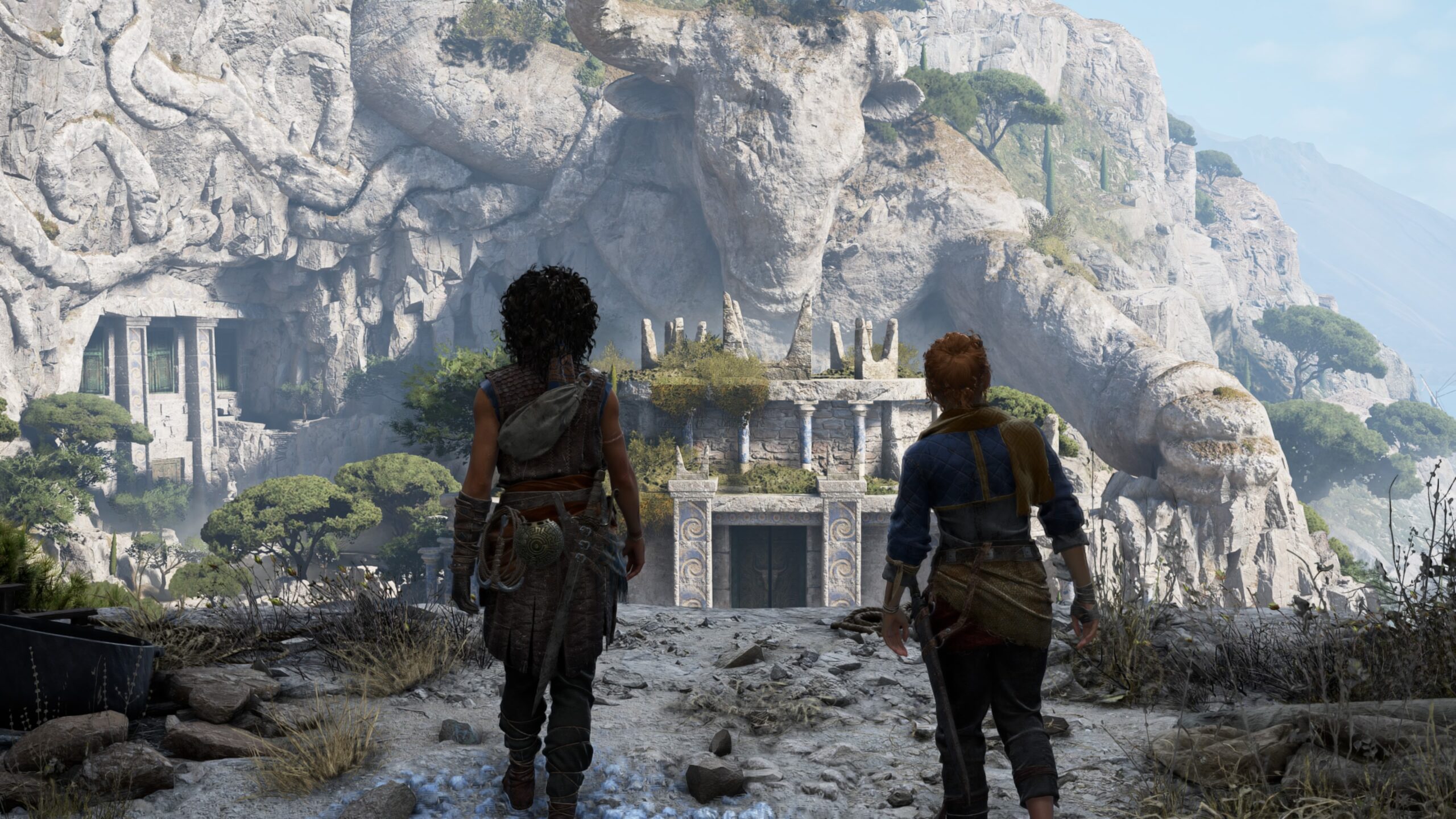
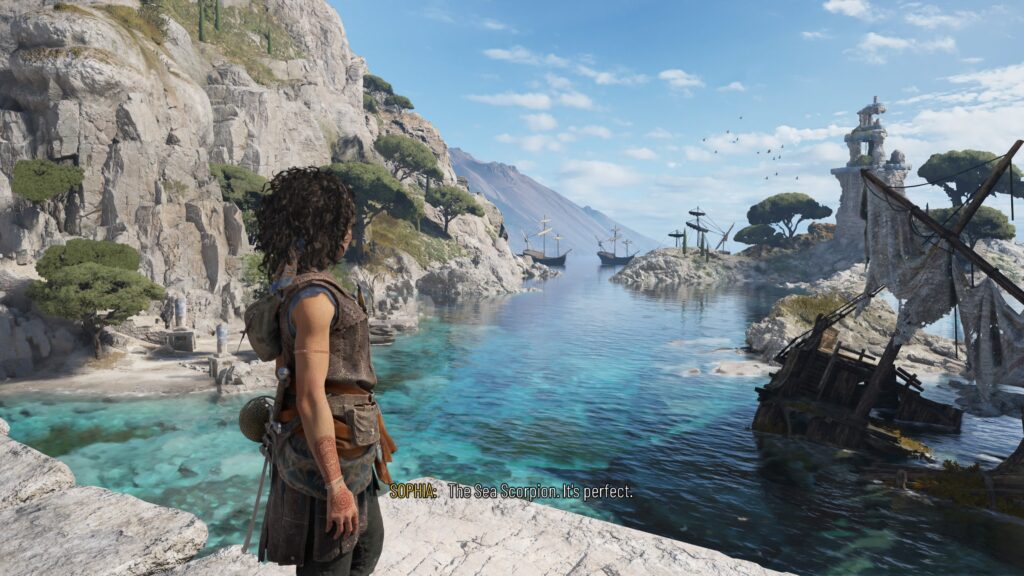
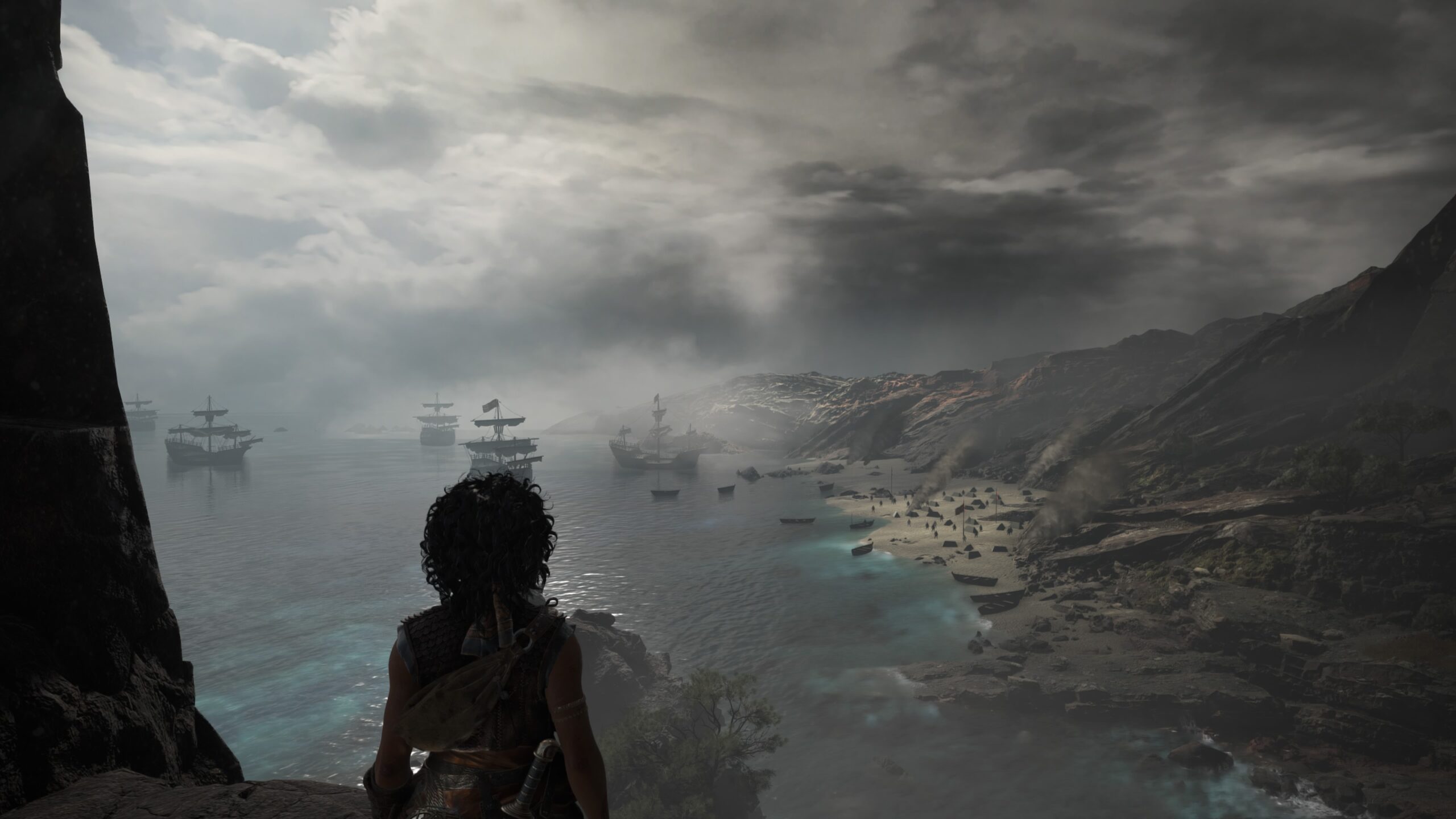
Resonance: A Plague Tale Legacy is gorgeous.
I can’t remember the last time I stopped this frequently simply to take screenshots.
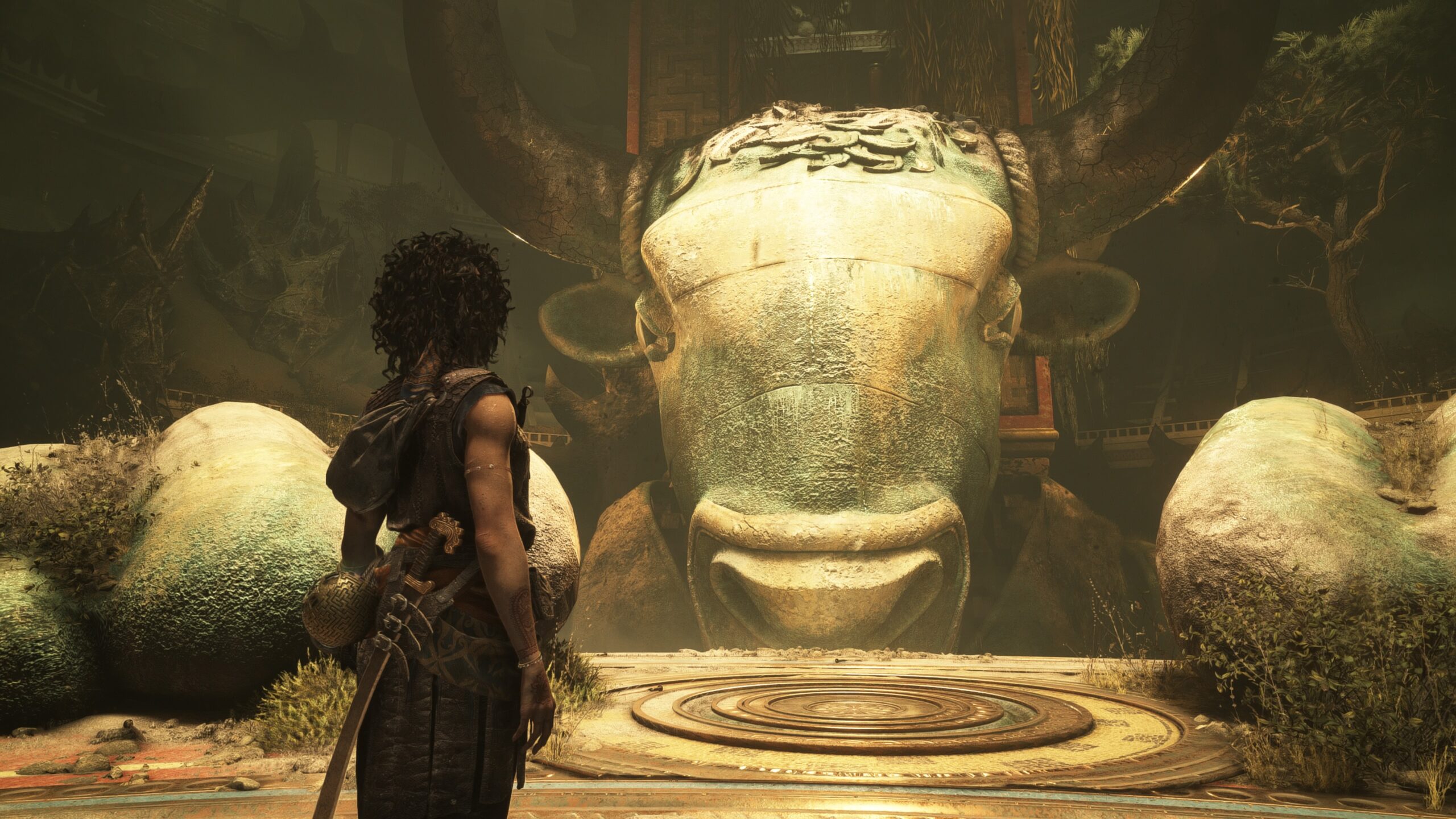
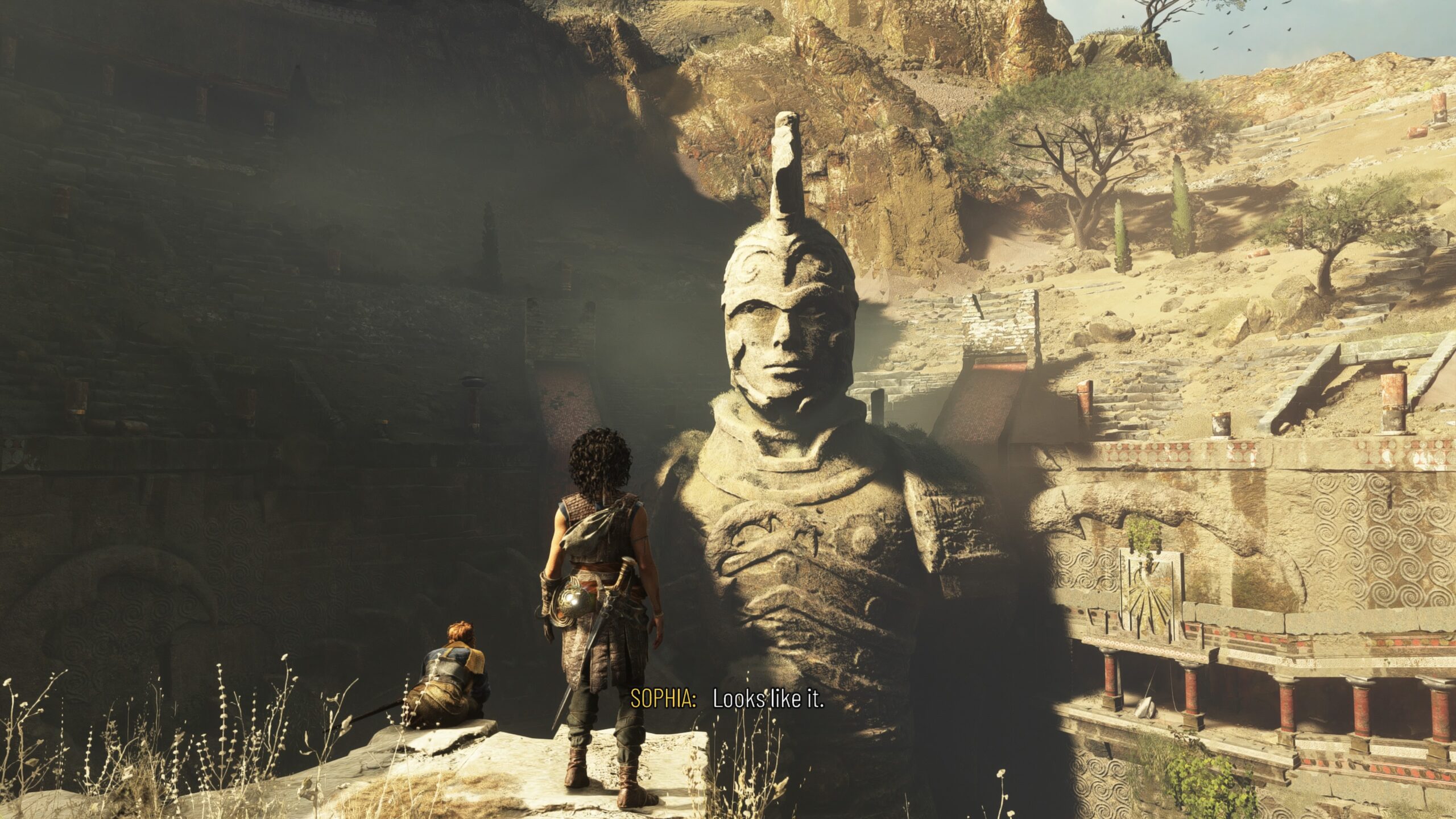
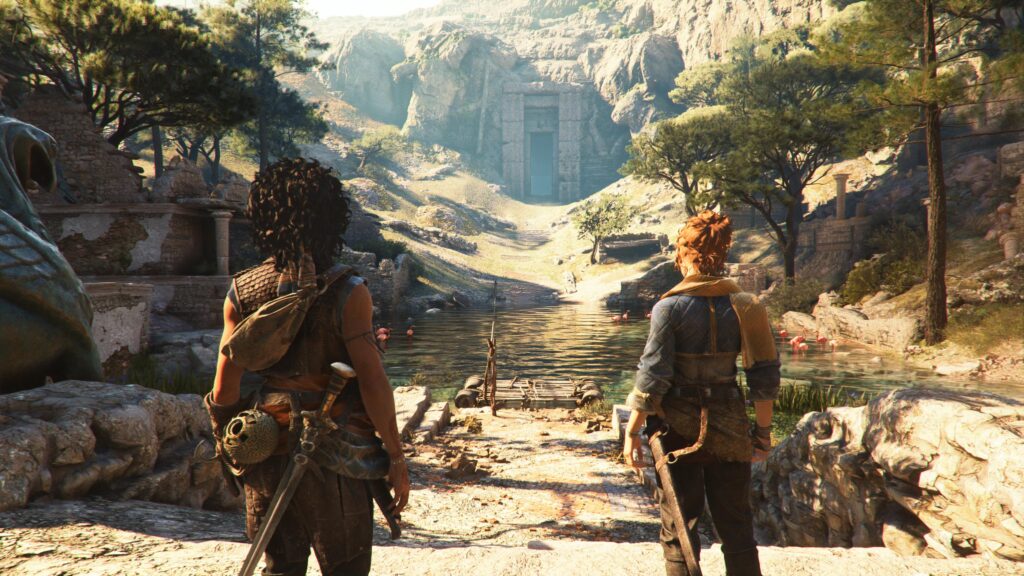
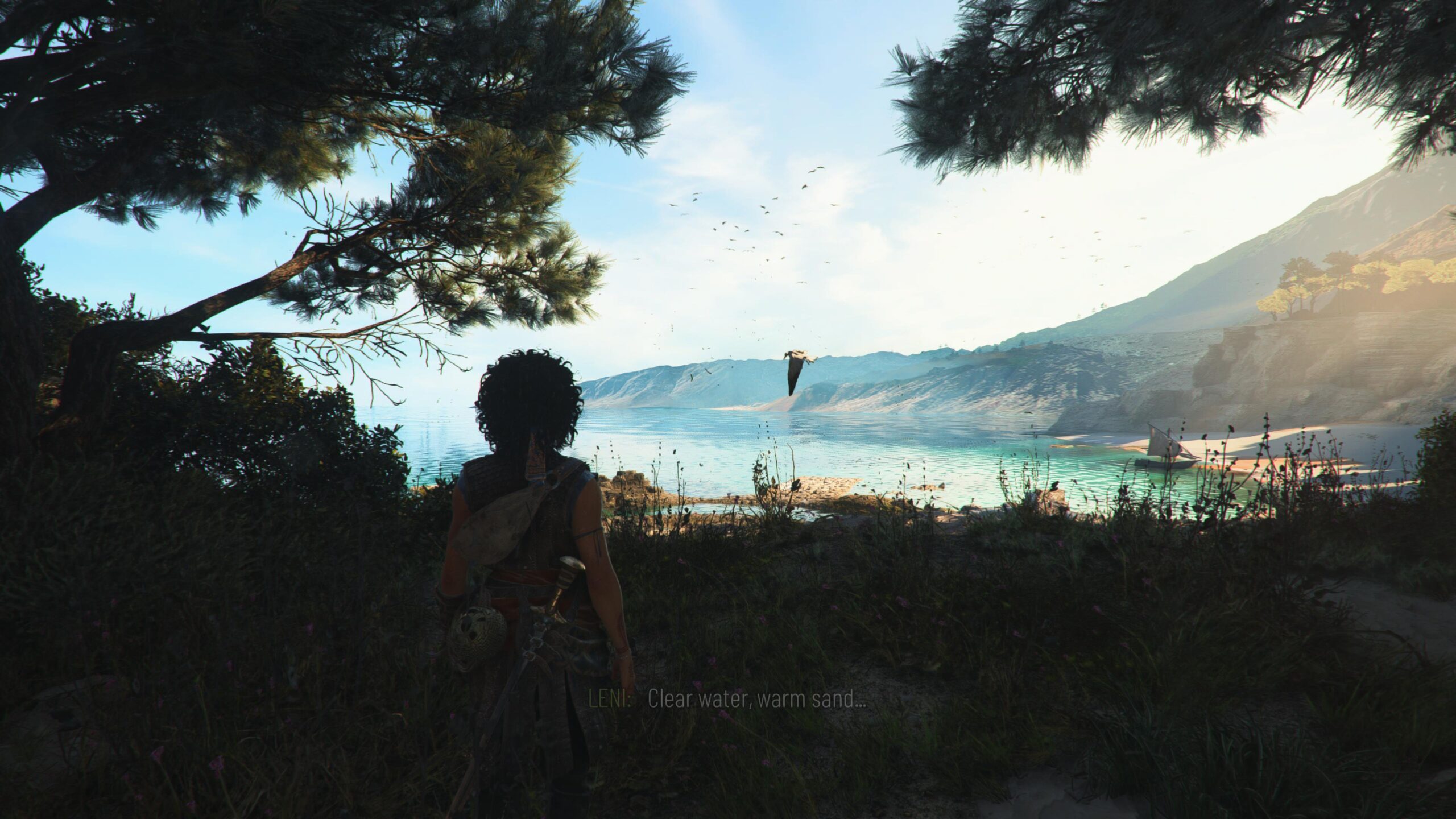
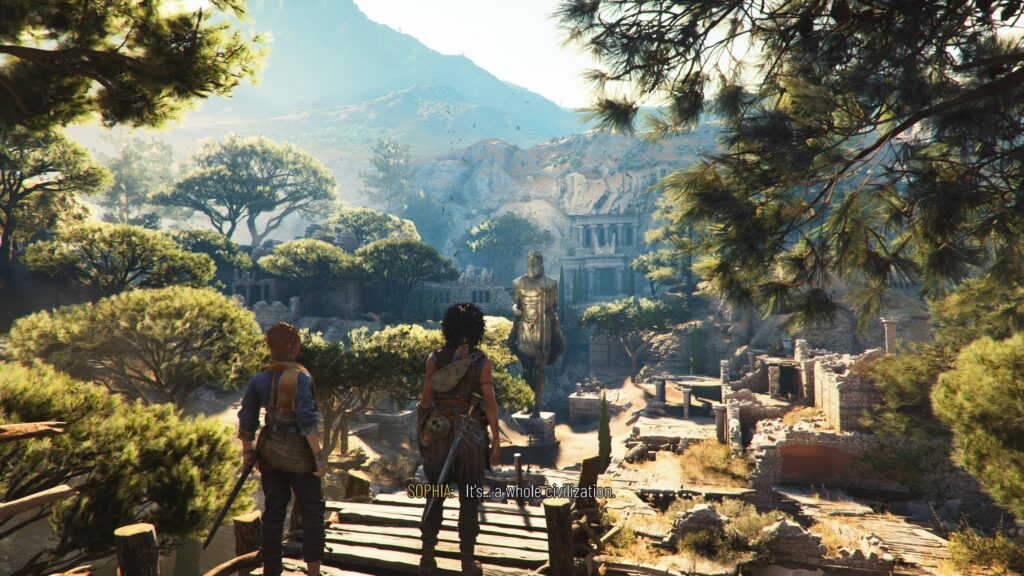
Almost every chapter has at least one location that demands your attention, whether it’s an enormous ancient structure, a statue, overgrown ruins, Mediterranean vegetation, or a view across the sea.
Despite its mostly linear structure, the environments rarely feel repetitive, and the art direction is easily one of the game’s greatest strengths.
My experience wasn’t technically flawless. Performance could occasionally be inconsistent, while HDR on console didn’t always behave as expected, resulting in parts of my playthrough being played in SDR.
Those issues were frustrating, but they never changed how impressive Resonance looks artistically.

Combat Gives Sophia Her Own Identity
The biggest departure from Innocence and Requiem is combat.
Sophia is a fighter, and Resonance embraces that.
Instead of spending most encounters trying to avoid direct confrontation, you can face enemies head-on with a combat system that gradually expands from basic sword fighting to daggers, the Minoan Sphere, and additional abilities.
Enemy attacks are easy to read. Some need to be avoided completely, while others can be blocked or perfectly parried. It’s accessible without being completely mindless, and fighting several enemies at once can be genuinely satisfying.
Stealth still exists, but it is no longer the dominant solution. Resonance eventually expects you to fight, and I think that’s the right decision for Sophia. Unfortunately, the bosses don’t make particularly good use of this combat system.
Most are simply too easy.
Their attack patterns quickly become predictable, and once you’ve learned their limited movesets, encounters that initially appear intimidating lose much of their challenge.
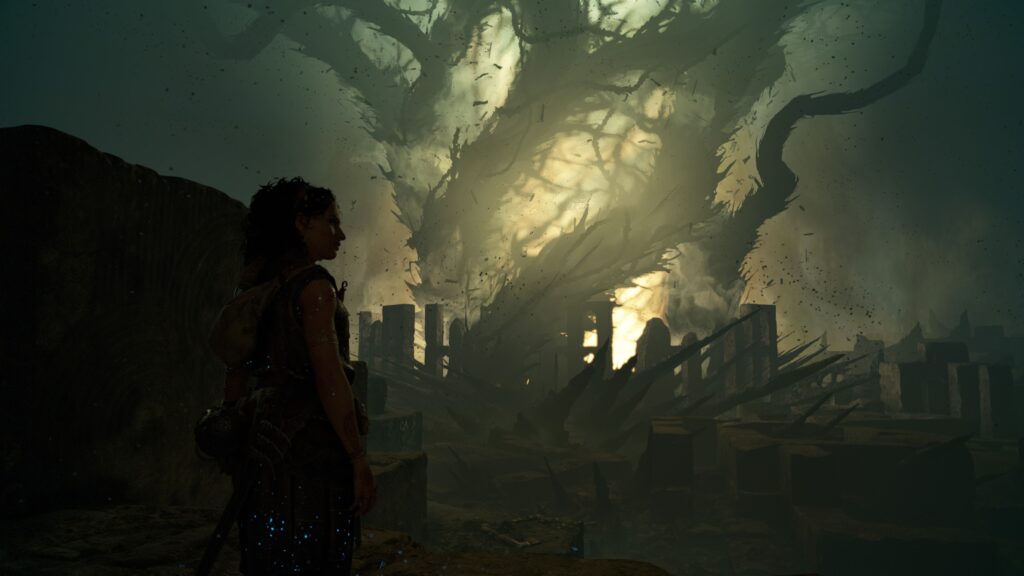
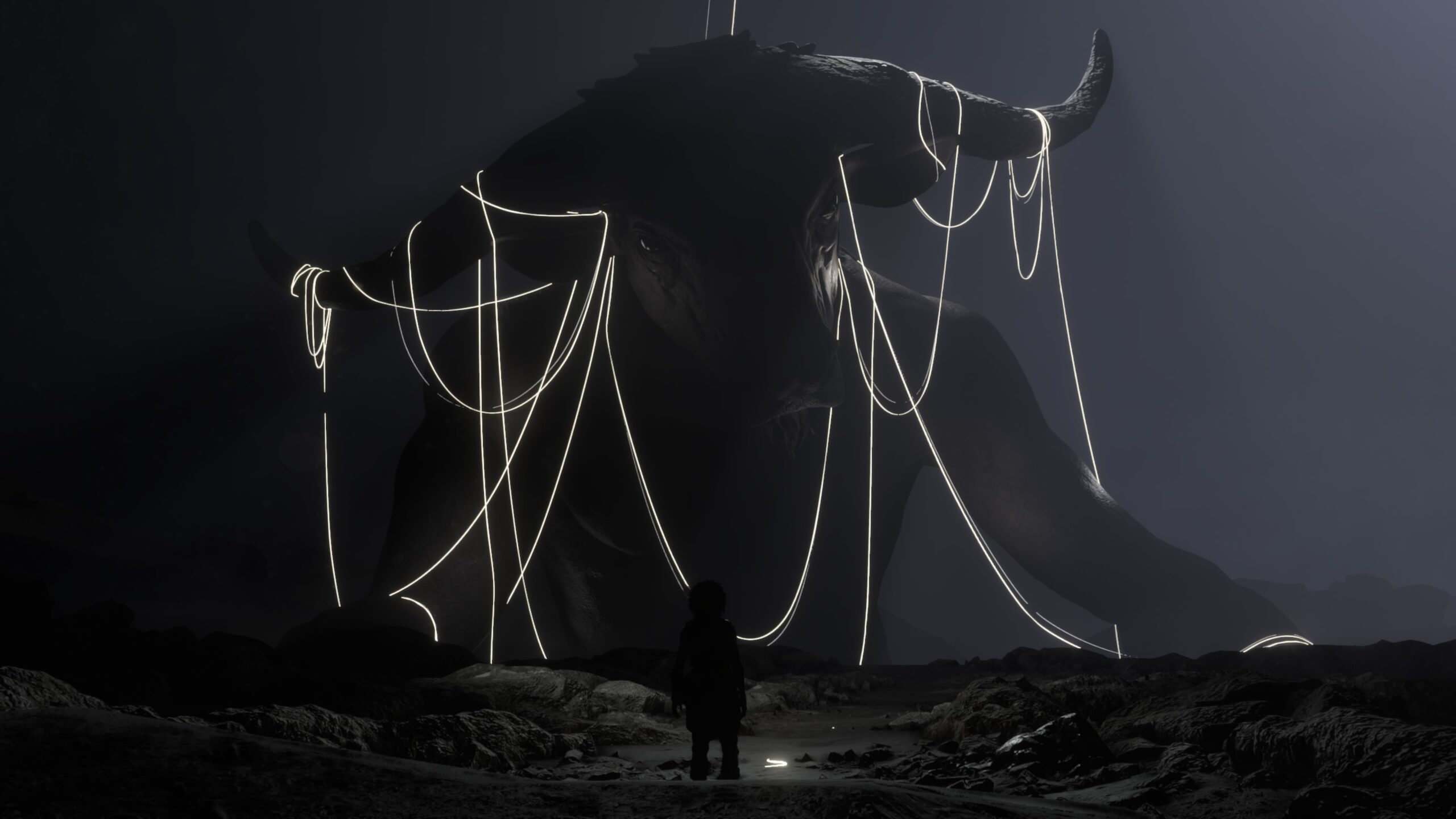
The same applies to the game’s central creature. It creates some fantastic moments initially, but once you understand how it behaves and what the game expects from you, much of that fear disappears.
Exploration and Puzzles Are Worth Your Time
Resonance gives you plenty of reasons to leave the obvious path.
Artefacts and other collectibles reward completionists, while Charms provide useful passive perks that can directly improve Sophia’s combat capabilities. Different swords also offer gameplay benefits rather than simply functioning as cosmetic rewards.
More important are Resonance Points, which are used to unlock Sophia’s abilities.
I like rewarding exploration with meaningful upgrades, but tying important parts of Sophia’s progression to potentially missable discoveries is a questionable decision.
A player who thoroughly explores each area will naturally have more tools available, while someone following the main route can miss abilities in a game increasingly focused on combat.
The progression system itself is also relatively restrictive. There isn’t much freedom to create your own build, so Sophia’s development feels more predetermined than I would have liked.
The environmental puzzles, on the other hand, are excellent.
The Sphere continues gaining new functionality throughout the adventure, allowing Sophia to manipulate light, create beams, and eventually reveal elements of the environment that were previously invisible.
Resonance continually builds upon mechanics you’ve already learned instead of simply repeating the same puzzle with a different layout. They’re rarely frustrating, but they require enough observation and experimentation to make solving them satisfying.
For me, the puzzles were one of the biggest surprises of the entire game.
Its Best Action Sequences Feel Like Uncharted
Some of my favorite moments came from the game’s cinematic chase sequences.
They immediately reminded me of Uncharted.
The environment changes around you, everything becomes frantic, and you rarely know exactly what is coming next. They’re visually spectacular and inject a welcome burst of adrenaline into the adventure.
These sequences work particularly well because Resonance occasionally struggles with pacing. When the game suddenly throws you into one of these set pieces, the difference is immediately noticeable.
They were among the most exciting parts of my playthrough.
An Excellent Soundtrack
Olivier Derivière’s soundtrack fits the Mediterranean and Minoan setting beautifully.
The music is particularly effective during exploration and combat, helping Minotaur’s Island establish an identity of its own while still sounding appropriate for the A Plague Tale universe.
Combined with strong environmental and combat audio, it makes simply exploring the island surprisingly enjoyable.
Inconsistent Pacing Holds It Back
If I had to identify one problem that affects the entire game, it would be pacing.
Resonance can go from excellent to surprisingly slow and back again within a relatively short period.
One chapter might perfectly combine exploration, combat, puzzles, and major story revelations, while the next relies too heavily on mechanics you’ve already experienced.
That inconsistency makes it difficult for the game to maintain momentum.
The slow opening is the clearest example, but repetition becomes more noticeable later as bosses, enemies, and certain gameplay mechanics become increasingly predictable.
There’s an excellent adventure here. It just doesn’t operate at that level consistently enough.
Final thoughts
Resonance: A Plague Tale Legacy successfully gives Sophia an adventure that feels connected to A Plague Tale without simply recreating Amicia’s journey.
The increased emphasis on direct combat was the right decision. Excellent environmental puzzles, rewarding exploration, cinematic action sequences, a fantastic soundtrack, and spectacular art direction give Resonance an identity of its own.
Most importantly, its central mystery eventually delivers. The slow beginning requires patience, but once the pieces start falling into place, Sophia’s story becomes considerably more compelling.
Unfortunately, uneven pacing, restrictive progression, repetitive mechanics, and disappointing boss battles prevent the game from reaching its full potential.
Resonance is at its best when it takes the foundations of A Plague Tale and does something new with them. It’s at its weakest when it begins repeating its own ideas.
Despite those flaws, I walked away very satisfied.
Resonance feels familiar without feeling unnecessary — and Sophia’s journey proves there are still compelling stories to tell within the A Plague Tale universe.
CATEGORY SCORES
Resonance: A Plague Tale Legacy: Resonance: A Plague Tale Legacy is a beautiful and ambitious addition to the series. Its excellent story, stunning art direction, satisfying combat, clever puzzles, and cinematic set pieces make Sophia’s journey memorable, even if uneven pacing, repetitive boss fights, and a restrictive progression system keep it from reaching its full potential. – OverHypedG
Goran Rakić
Founder of OverHyped Gamer