
Marvel’s Wolverine is brutal, focused, visually spectacular, and surprisingly emotional. After roughly 20 hours with Insomniac’s latest PlayStation exclusive, I walked away with something I wasn’t entirely expecting: one of my favorite games of the year.
I’ll admit that some of the early critical reception made me question what I was about to play.
Not because Marvel’s Wolverine was universally disliked, but because several of the criticisms surrounding its linear structure, combat repetition, and relatively straightforward gameplay painted a picture of an experience that seemed unusually restrained for Insomniac Games.
After finishing the story and completing most of the additional content, my experience was very different.
Marvel’s Wolverine certainly isn’t perfect. There are bugs. Combat eventually becomes somewhat repetitive. The final portion of the campaign occasionally stretches encounters longer than necessary, and I would have loved to visit more locations.
But when Wolverine is doing what it does best, very few games I’ve played this year have matched its combination of storytelling, relentless action, technical presentation, and pure spectacle.
And most importantly, this actually feels like Wolverine.
INFO
DEVELOPER
Insomniac Games
PUBLISHER
Sony Interactive Entertainment
RELEASE DATE
September 15, 2026
GENRE
Action Adventure (linear experience)
PLATFORMS
PlayStation 5 (PS5)
REVIEW KEY
Bought myself
PLAYTIME
21 Hours
REVIEWED ON
PS5 PRO
A Wolverine Story Worth Experiencing
The campaign took me approximately 15–16 hours, with my total playtime reaching around 20 hours after tackling challenges, collectibles, and other activities.
That length feels almost perfect for this type of game.
Marvel’s Wolverine is a linear, narrative-driven action adventure rather than another enormous open world filled with icons. And in 2026, that almost feels refreshing.
There are opportunities to explore individual areas, discover materials and collectibles, and step away from the critical path, but the game always knows where it wants you to go.
That allows Insomniac to control the pacing.
One moment you’re watching an emotional conversation, the next you’re tearing through enemies, climbing through an environment, sprinting through a collapsing area, or being thrown into another massive set piece.
Something is almost always happening.
The story itself is one of my favorite parts of the entire experience.
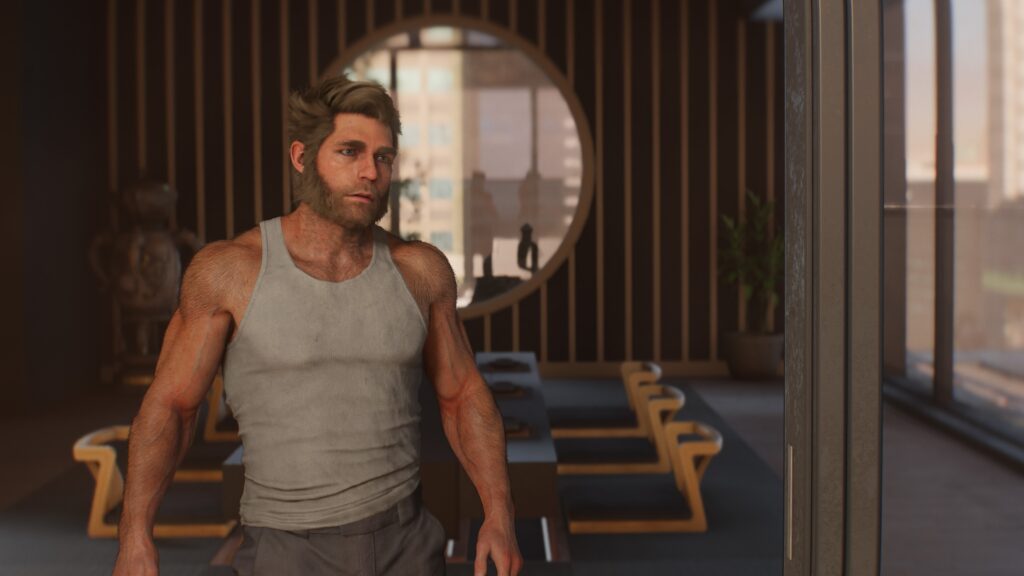
At its center is Logan’s constant struggle between two sides of himself: the human being who genuinely wants to protect people and the seemingly unstoppable animal capable of extraordinary violence.
Liam McIntyre captures both beautifully.
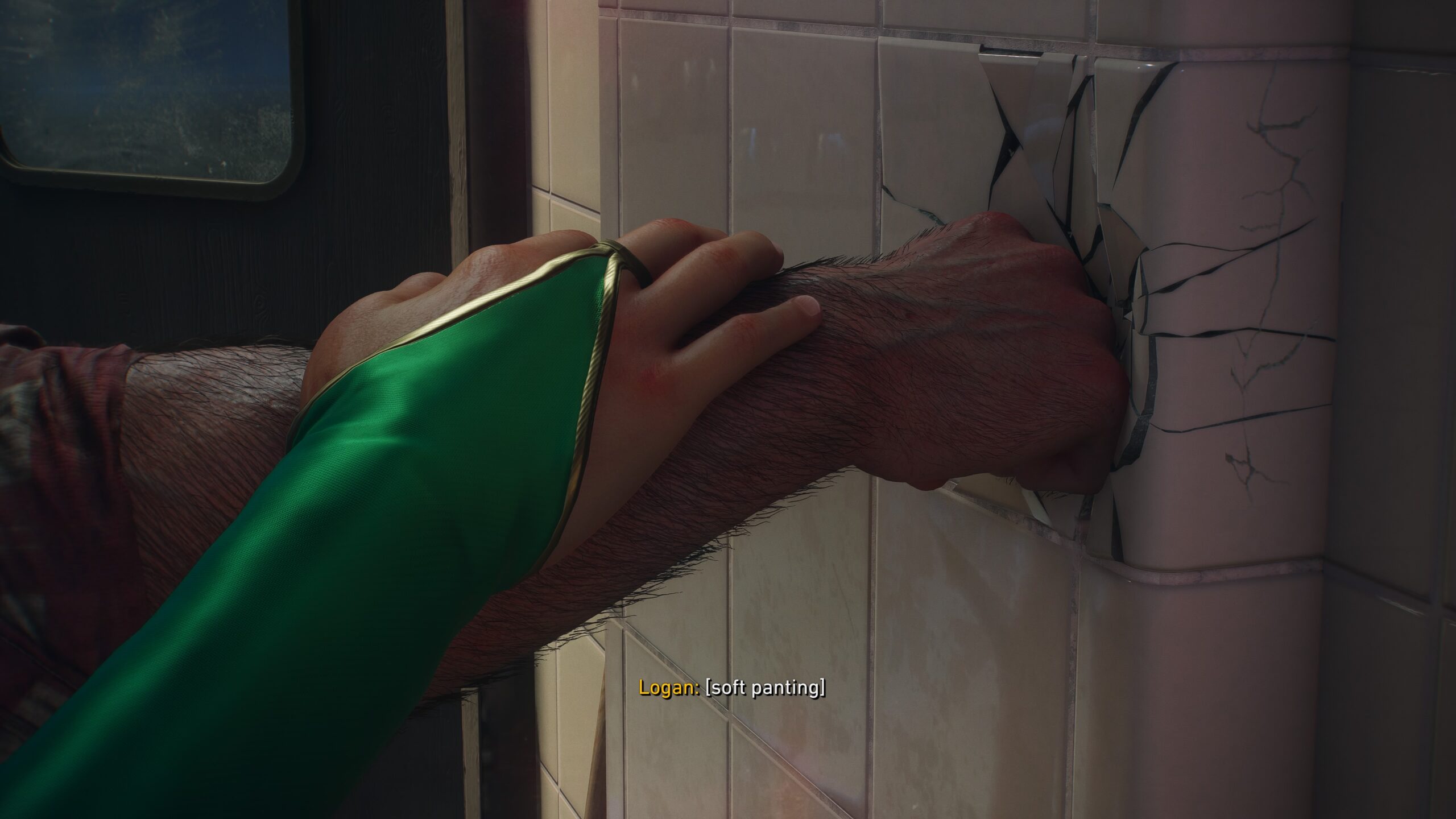
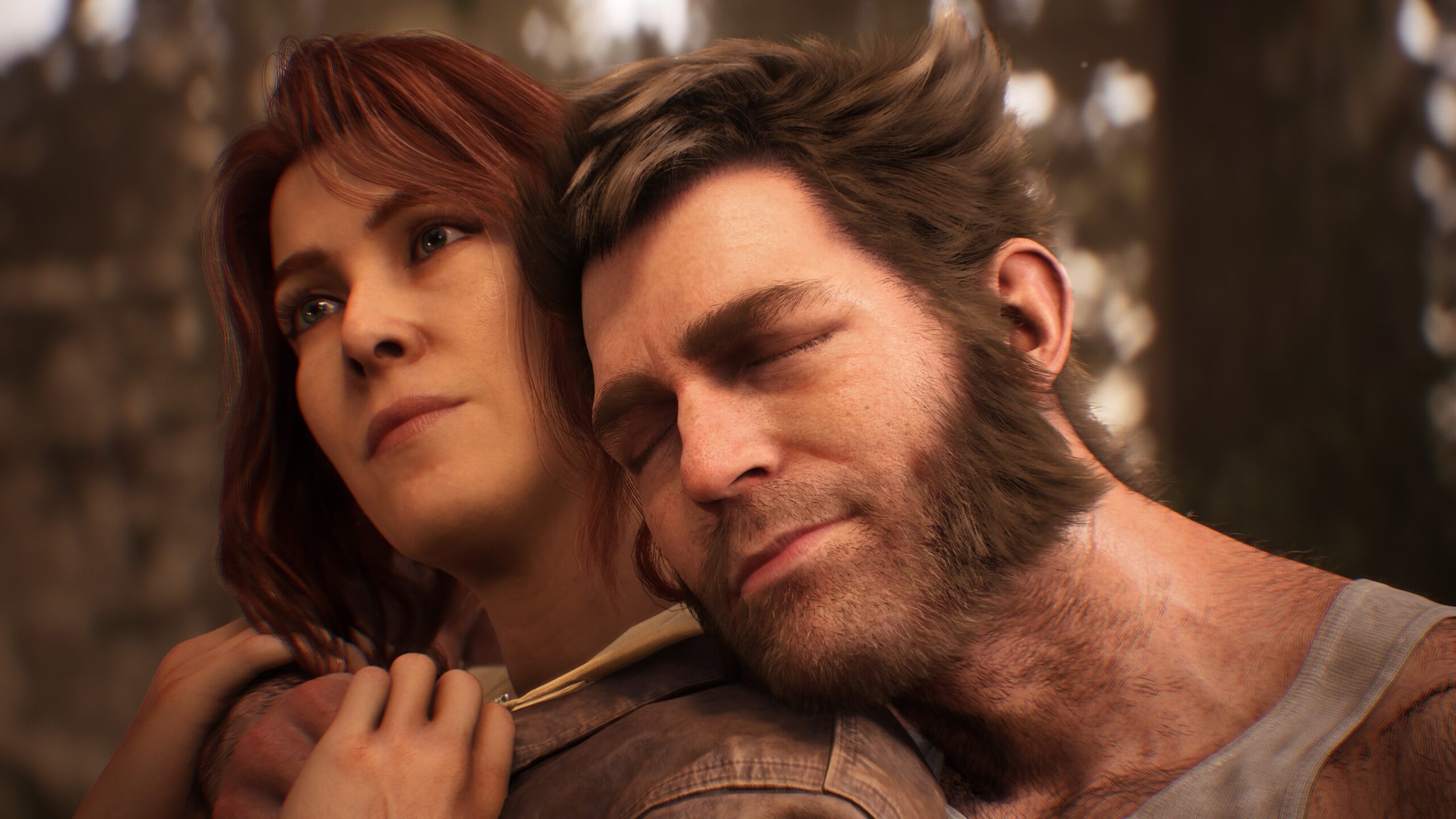
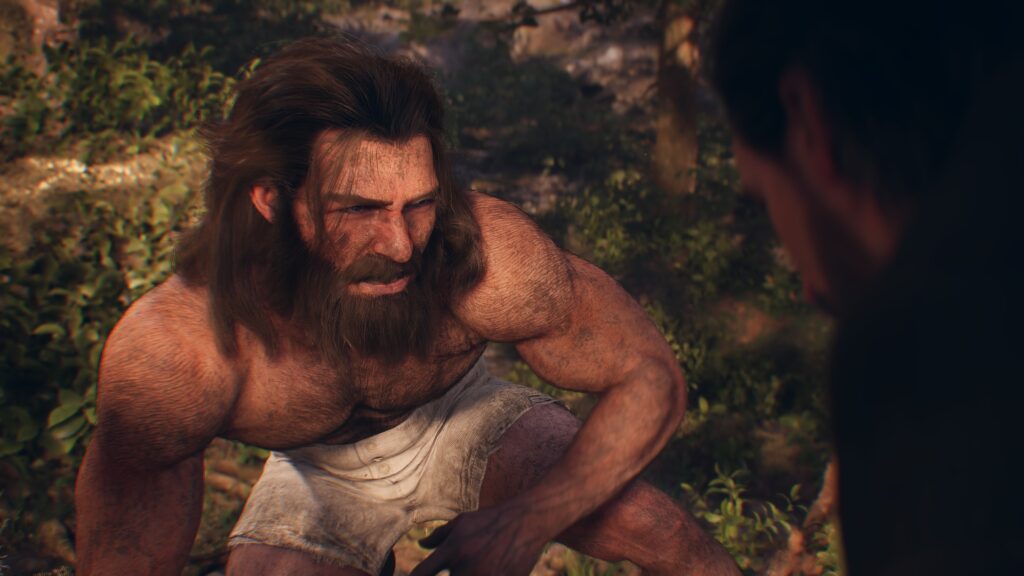
His performance is exceptional, not only through his voice work but through the facial animation and physical performance behind Logan. Anger, grief, vulnerability and rage are all visible, sometimes without the character needing to say much at all.
For me, this is easily one of the strongest interpretations of Wolverine outside the comics.
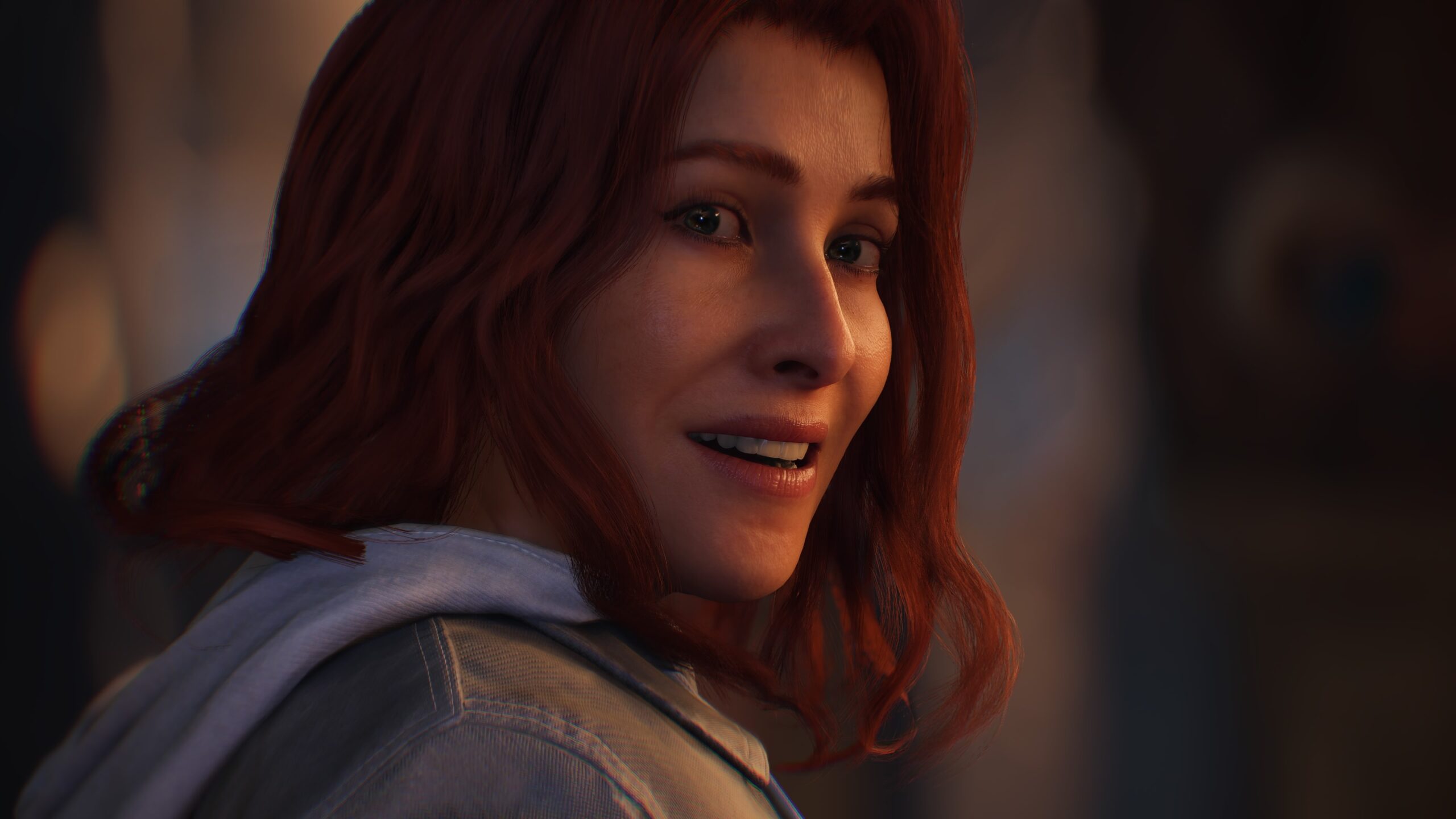
Jean Grey is another standout.
Her chemistry with Logan works extremely well, but she is never reduced to simply existing around him. Her personality, dialogue and desire to protect others give her a genuine presence throughout the story. There were several moments where I found myself wishing Insomniac would actually let me play as her.
The supporting cast deserves similar praise, particularly Troy Baker’s performance, which becomes increasingly important as the story develops.
I’ll deliberately leave it there.
This is a story worth experiencing without knowing where it is heading, because Insomniac isn’t afraid to surprise the player. Several developments went in directions I genuinely wasn’t expecting.
Linear – and Better Because of It
I don’t consider Wolverine’s linearity a weakness.
Quite the opposite.
We’ve reached a point where so many major releases are built around enormous open worlds that a focused 15-hour action game almost feels old-school again.
Wolverine doesn’t need hundreds of map markers.
It needs momentum.
And Insomniac understands that.
The linear structure allows the studio to constantly transition between combat, traversal, cinematics and huge scripted sequences without leaving long stretches where nothing meaningful happens.
There is a slight downside.
Towards the end of the campaign, I started noticing encounters being stretched out with tougher enemies and additional waves. It occasionally feels like the game is trying to make its final chapters last slightly longer than they naturally should.
It never destroyed the pacing for me, but it was noticeable.
Still, I’d take a tightly directed game like this over another unnecessarily bloated open world any day.
Wolverine’s Combat Is Exactly as Brutal as It Should Be
Insomniac did not hold back.
Wolverine is violent.
Very violent.
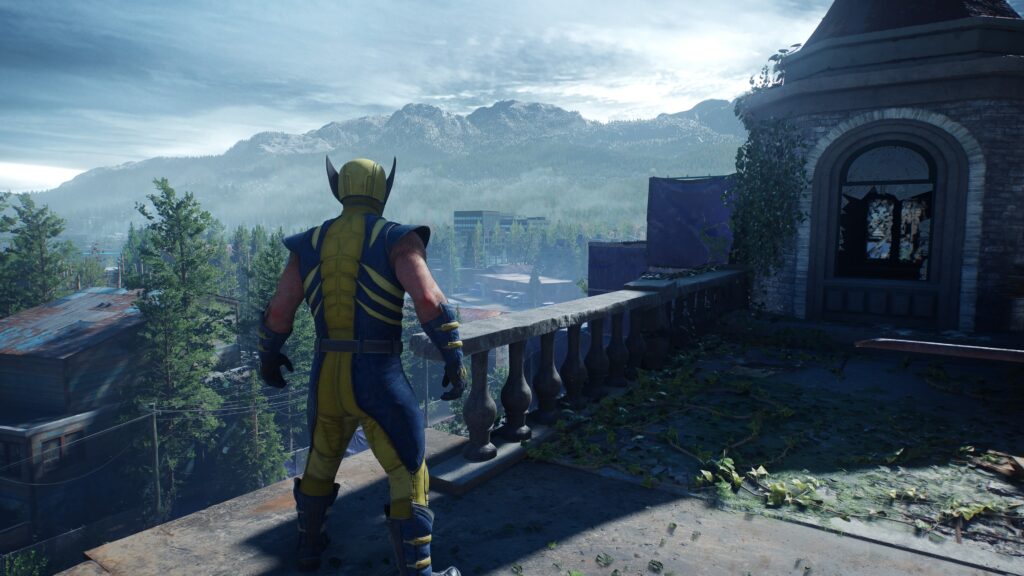
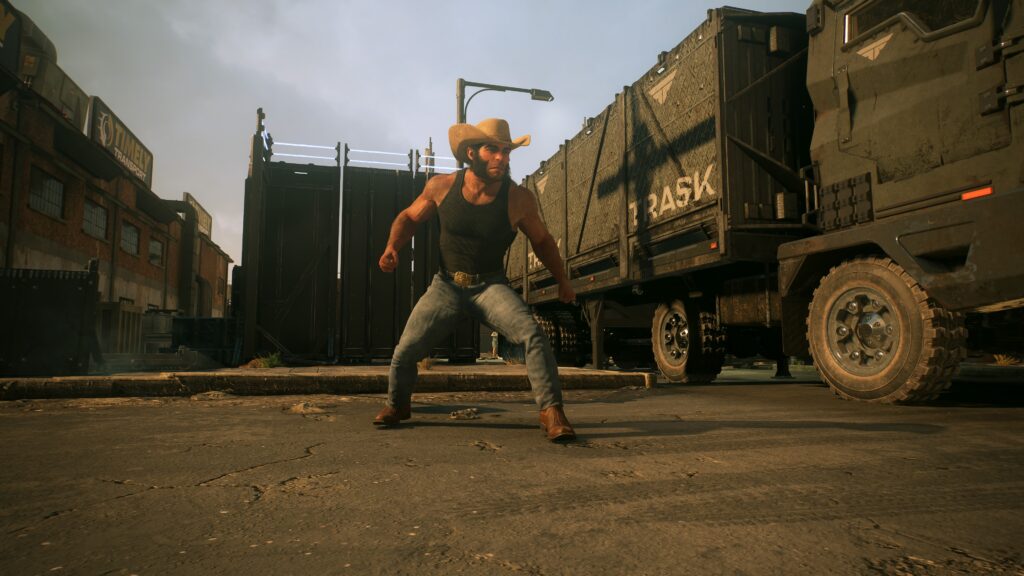
Limbs disappear. Blood covers Logan and his surroundings. Finishers can be vicious, and his claws actually feel like weapons capable of tearing somebody apart rather than glowing sticks being swung at health bars.
That brutality isn’t there simply for shock value.
It gives the character his identity.
Wolverine isn’t Spider-Man. He isn’t supposed to elegantly bounce between dozens of gadgets while avoiding lethal force.
He has six adamantium claws.
He gets close.
And he uses them.
Combat is aggressive and relatively straightforward, but there is more going on underneath than simply mashing attack.
Blocking became particularly important during my playthrough. Well-timed defensive moves can create openings and stagger enemies, while evading gives Logan valuable breathing room and an opportunity for his healing factor to work.
There are additional abilities, skills and attacks to incorporate as the game progresses, and different enemy archetypes force you to adjust your approach.
That variety matters.
You aren’t fighting exactly the same opponent for 15 hours. Different factions and enemy types introduce their own threats, from human soldiers to The Hand and increasingly dangerous mechanical enemies.
Combat does eventually become repetitive.
I won’t pretend otherwise.
There are only so many ways Wolverine can stab somebody.
But I never reached the point where I stopped enjoying it. The changing enemy compositions, finishers, abilities and sheer physicality of combat kept encounters entertaining.
Difficulty also makes a considerable difference.
I played on the standard difficulty and died numerous times, particularly early in the game while learning its systems and later during some of the optional challenges.
Wolverine’s regeneration makes him incredibly resilient, but it doesn’t make him immortal.
Learning when to attack, block, parry, evade and create enough distance to recover became an important part of combat.
There is even a Last Stand mechanic that can give Logan another opportunity after being overwhelmed.
On easier settings, many of those systems naturally become less important. But on an appropriate difficulty, I found considerably more depth here than simply throwing Wolverine into a room and watching him automatically survive.

Simple Progression That Doesn’t Get in the Way
Progression is equally straightforward.
As Logan earns XP and levels up, you receive points that can be invested into new abilities and improvements.
It isn’t an enormous RPG skill tree filled with microscopic percentage increases, and it doesn’t need to be.
The system gives you enough new tools to make Logan progressively more dangerous without turning Wolverine into something he isn’t.
Customization is much more exciting.
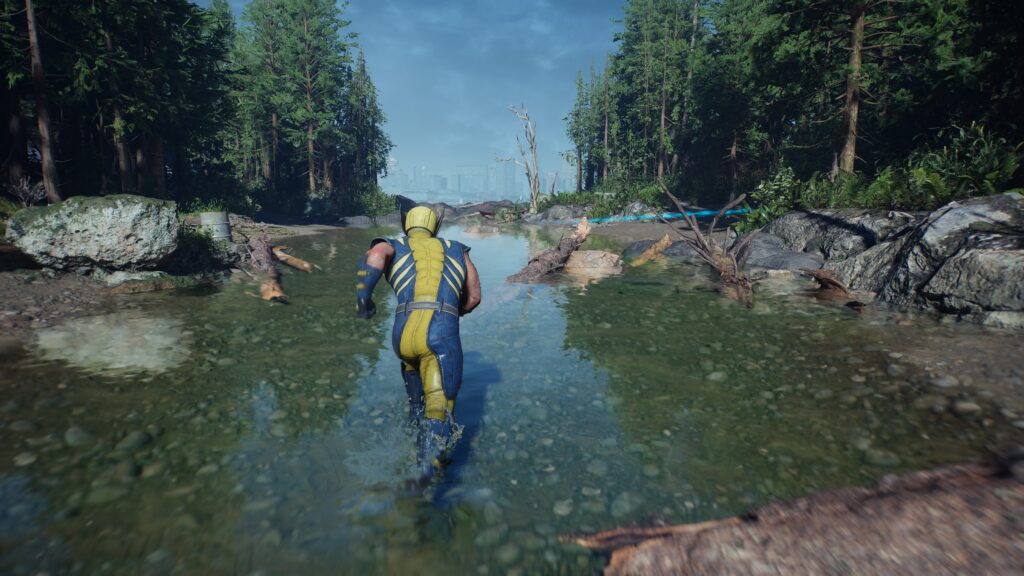
There are numerous suits to unlock and craft, along with additional customization options, allowing you to create your preferred version of Wolverine.
But many of those rewards need to be earned.
Throughout missions you’ll discover material caches containing resources used for crafting. Crafting new equipment and suits also feeds into Logan’s broader progression, giving exploration an actual purpose beyond checking another collectible off a list.
I wouldn’t have hunted down every single cache without going for the Platinum Trophy, but I enjoyed having a reason to explore environments instead of simply sprinting toward the next objective.
The Optional Challenges Are Worth Playing
The optional challenges were considerably more interesting to me.
There are more than ten spread throughout the game, ranging from combat-focused encounters to traversal and speed-based challenges.
Some ideas inevitably repeat, but individual challenges generally maintain their own identity and, importantly, provide meaningful rewards.
That’s the difference.
I probably wouldn’t collect every material cache during a casual playthrough.
I would complete the challenges.
They gave me an excuse to spend more time mastering Wolverine’s combat and movement while working toward something tangible, including additional customization rewards.
Some of them also provided significantly more resistance than the main campaign and accounted for several of my deaths.
For players who finish the story wanting another few hours of Wolverine’s combat, they’re well worth doing.
One of the Best-Looking Games I’ve Played on PS5 Pro
Then there’s the presentation.
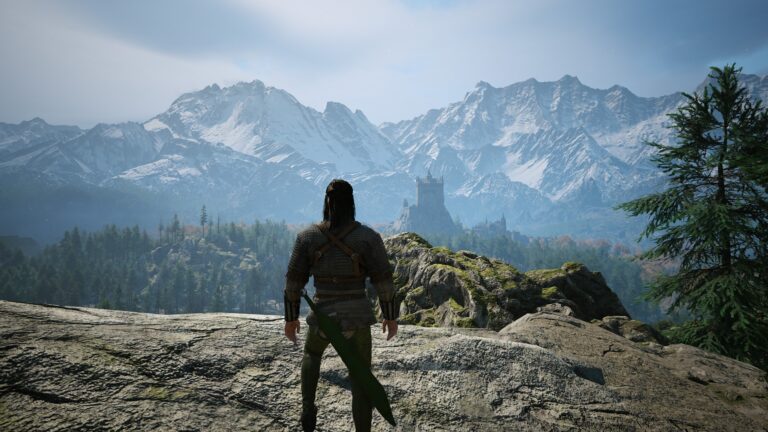
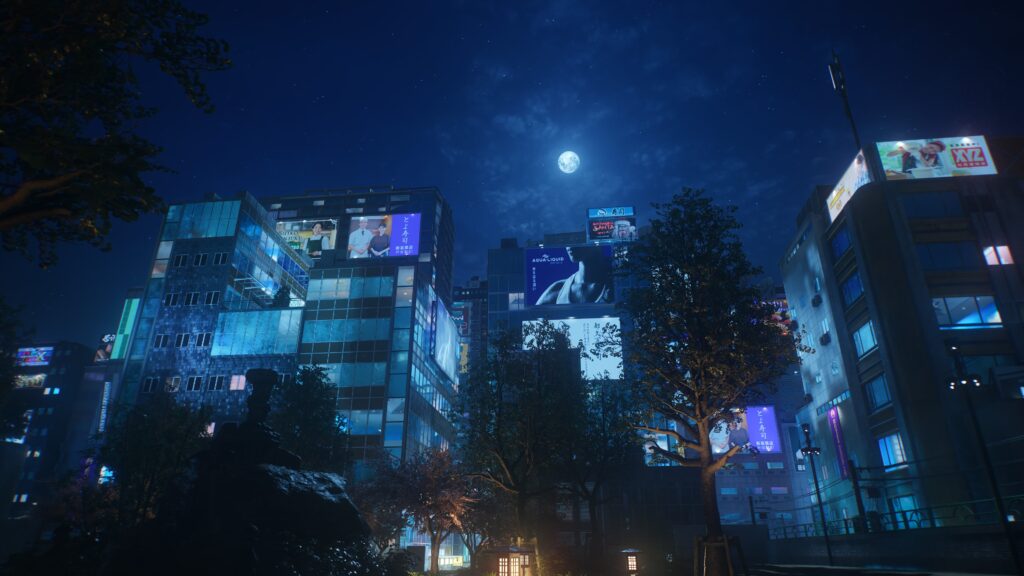
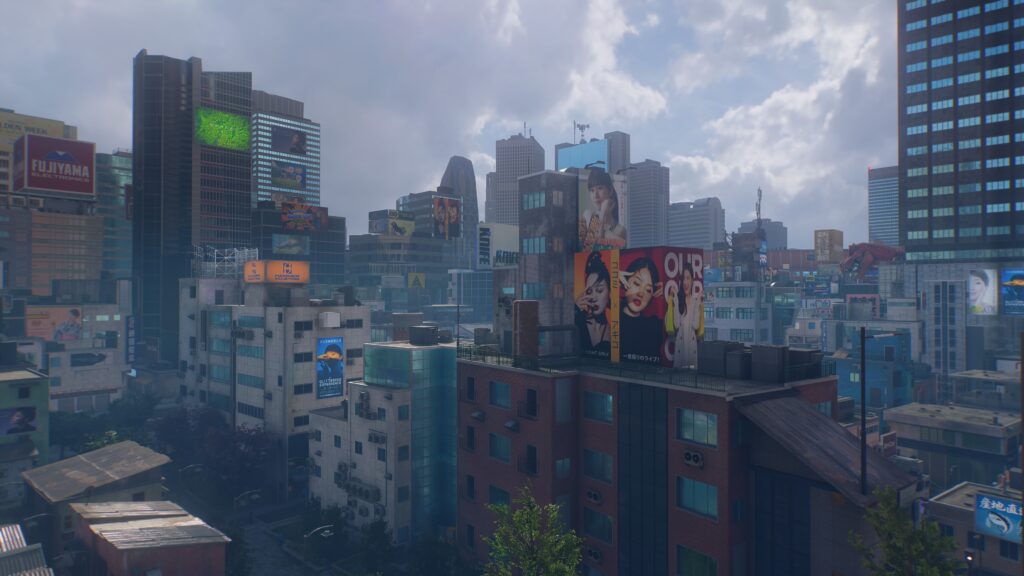
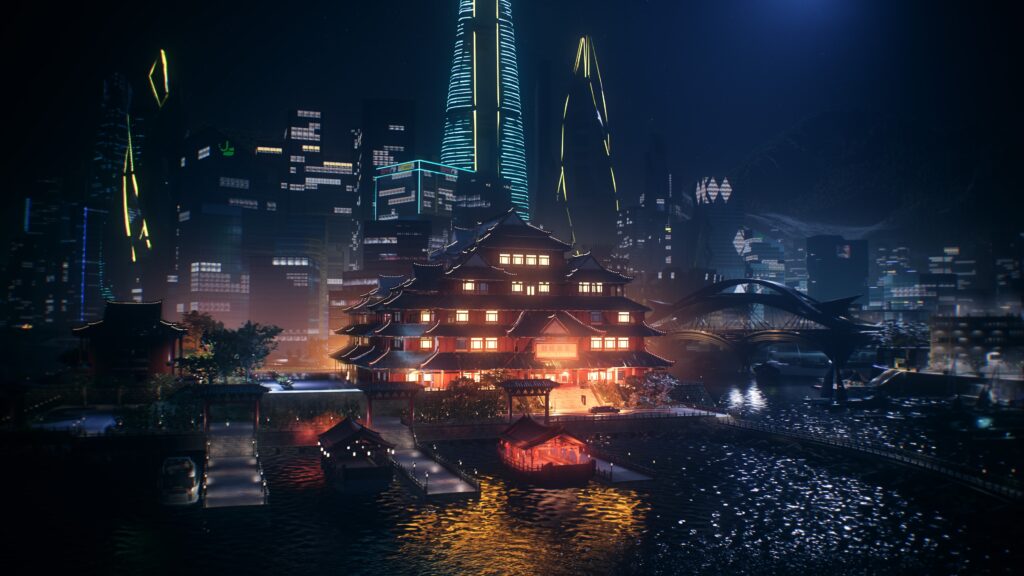
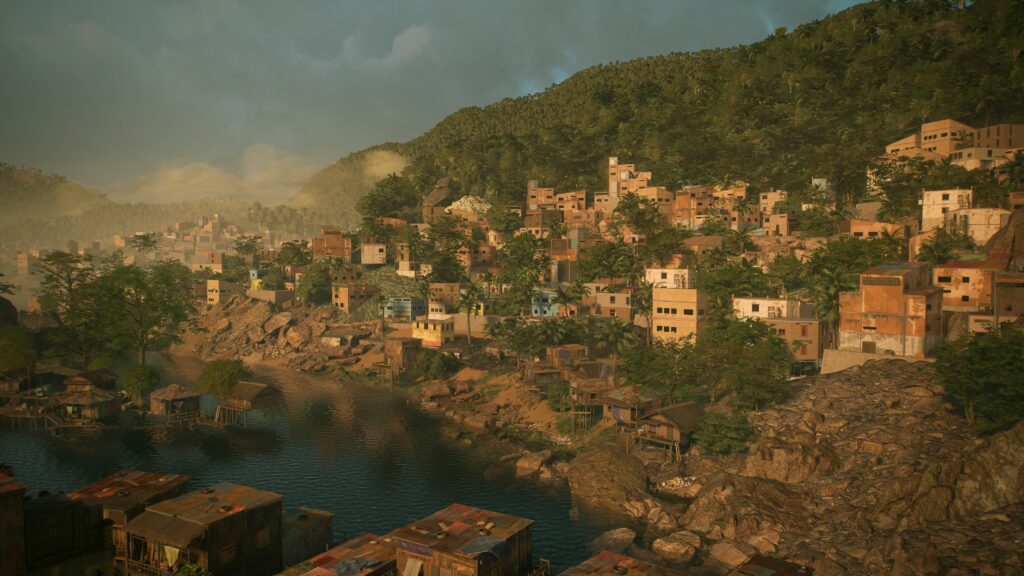
Marvel’s Wolverine can look absolutely phenomenal.
I played the entire game on PlayStation 5 Pro using the performance-focused setup with VRR, and outside of bugs, the overall experience was remarkably smooth.
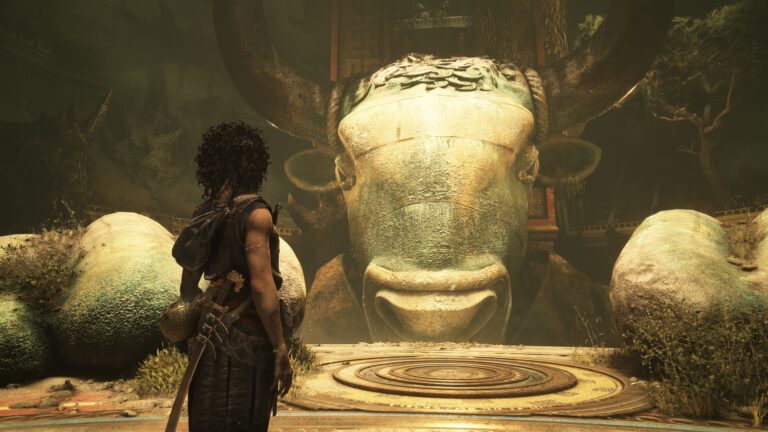
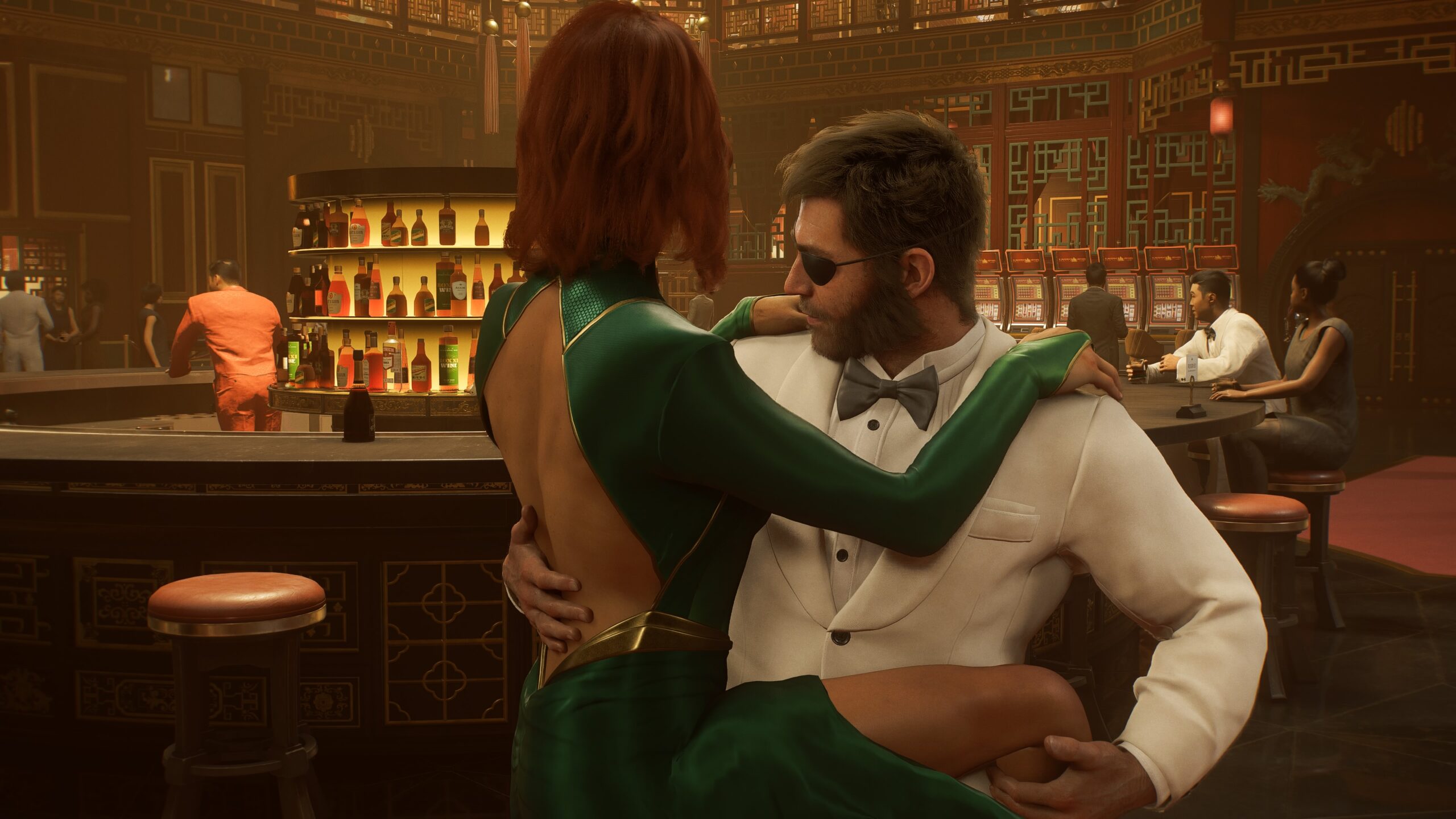
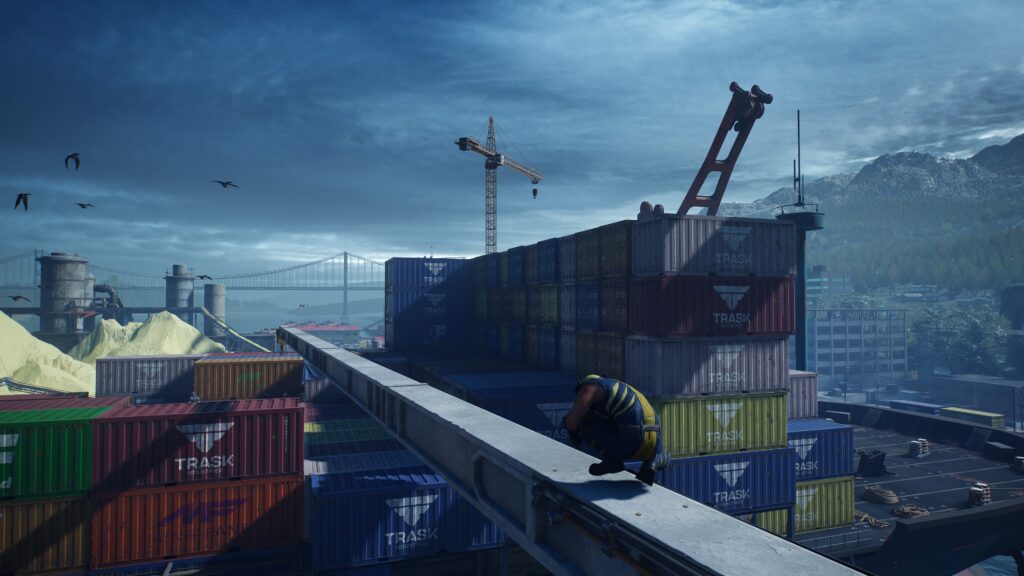
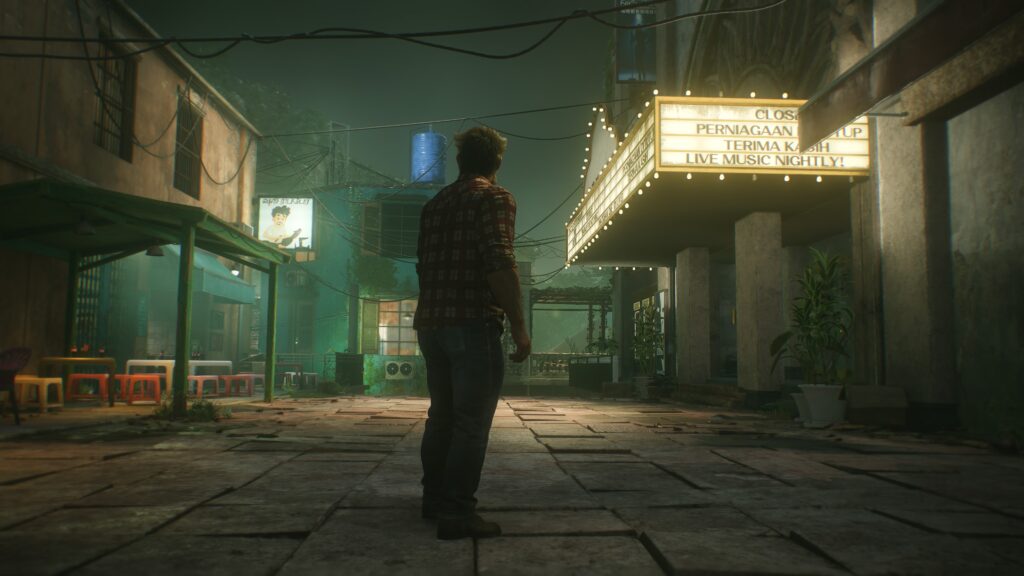
The environments are extraordinarily detailed, character models are fantastic, facial animation during cinematics is excellent, and the transition between gameplay and cinematic sequences regularly makes the game feel like an interactive blockbuster.
You can see the production value everywhere.
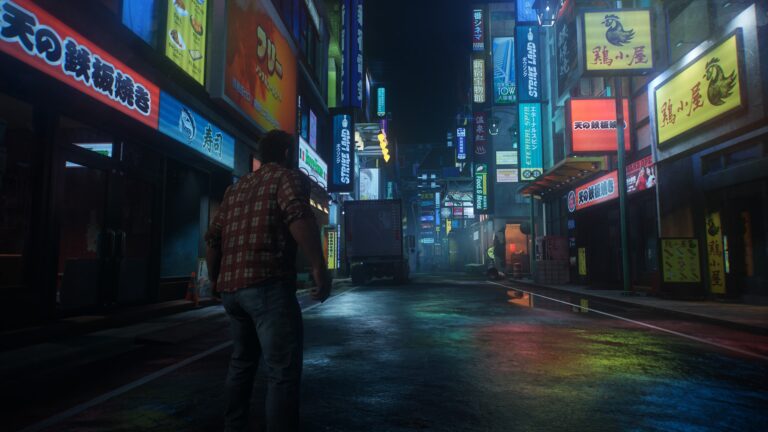
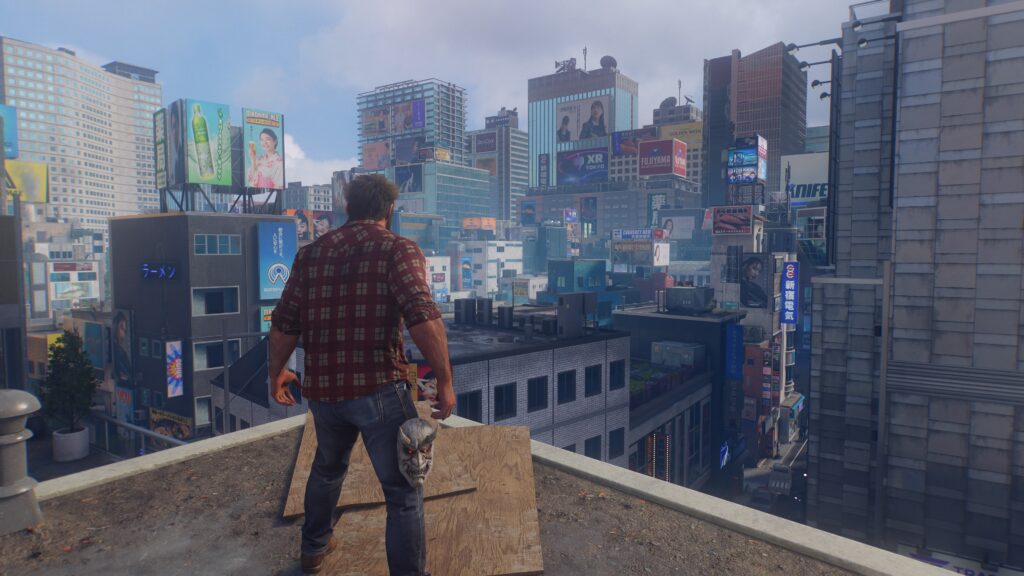
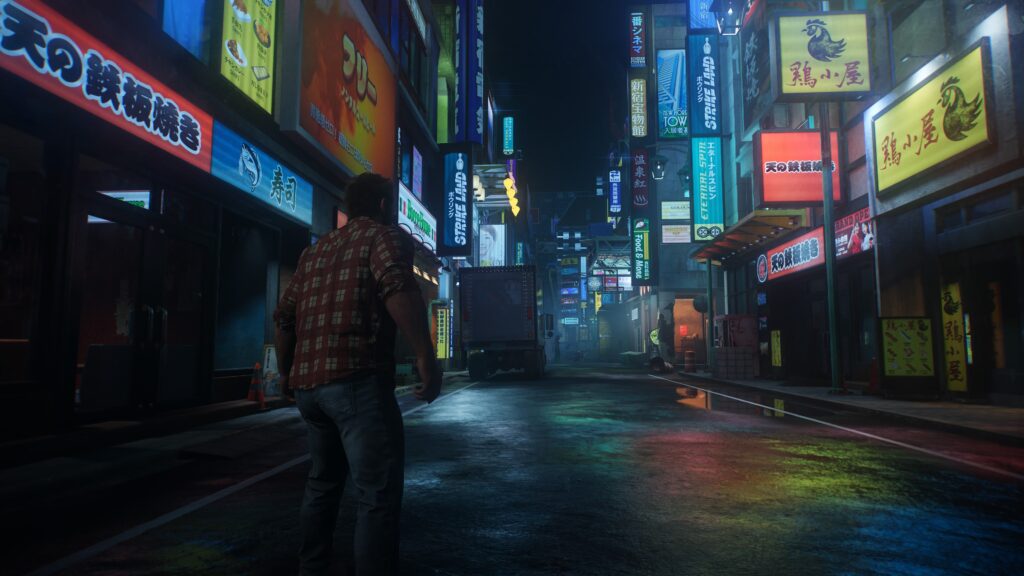
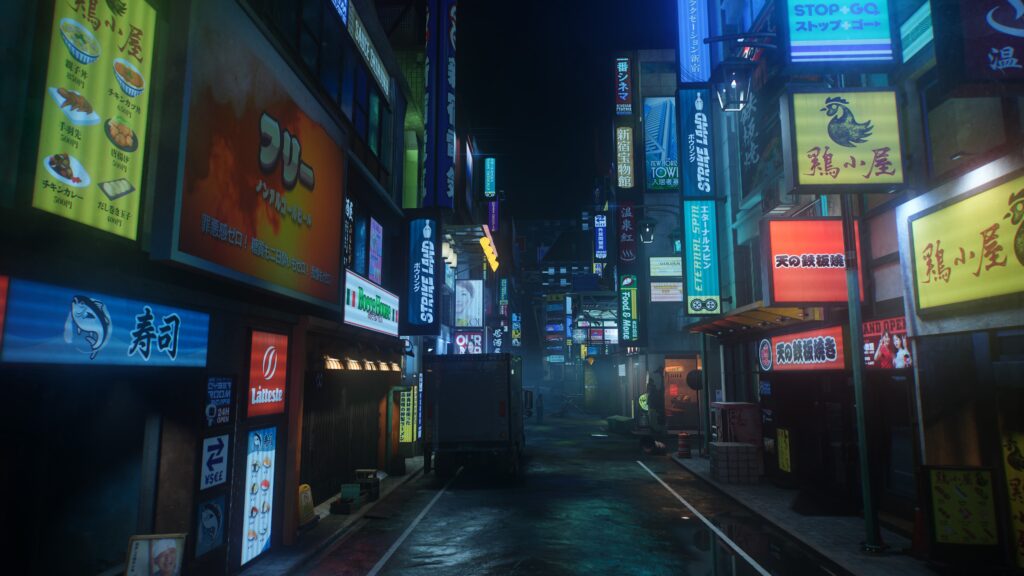
But Japan was the highlight for me.
Having actually visited Japan, I was genuinely surprised by how familiar parts of Shinjuku felt. My girlfriend and I were even able to recognize the area where we had celebrated New Year’s Eve.
Obviously, fictional brands and elements have been changed, but walking those streets inside Wolverine gave the environment an authenticity that I could personally recognize.
That probably gives me a little personal bias toward this portion of the game.
I don’t particularly care.
It was fantastic.
Japan’s atmosphere, lighting, streets and overall presentation were among my favorite parts of the entire experience, and I regularly stopped playing simply to use Photo Mode.
Other locations are beautiful as well, but this leads into one of my biggest criticisms.
I wanted more of them.
The game revisits several locations, particularly during its later sections. It makes narrative and production sense, but given how good Insomniac’s environments look, I couldn’t stop thinking about how exciting another major destination could have been.
DualSense Finally Feels Truly Next-Gen
The audio presentation deserves just as much praise.
Music, environmental sound, impacts and particularly the sound of Wolverine’s claws all contribute to making combat feel heavy and physical.
The DualSense implementation might be even better.
Haptic feedback and adaptive triggers are used extremely effectively, adding physical feedback to actions rather than feeling like features added simply because Sony’s controller supports them.
Combined with the visuals and sound design, this was one of those rare experiences where I genuinely felt the hardware contributing to the game.
This is the kind of first-party PlayStation experience where I want the DualSense to remind me why it exists.
Wolverine does that.
Technically Impressive, but Not Flawless
Unfortunately, the technical experience wasn’t perfect.
I didn’t experience a single crash during my entire playthrough, and performance itself was excellent, but I did encounter bugs.
Several were minor.
Others forced me to restart from the previous checkpoint.
Traversal could also occasionally behave strangely. Climbing and platforming generally work well — particularly when the camera shifts and Insomniac turns movement into another cinematic action sequence — but there were moments where Logan didn’t interact with the environment as cleanly as I expected.
None of these issues seriously damaged my overall experience, but they happened often enough that they deserve mentioning.
And they’re one of the reasons I can’t call Wolverine flawless.
Where Wolverine Could Have Been Better
My criticisms ultimately come down to a handful of things.
I would have liked more locations and less revisiting of existing environments.
More enemy variety would have helped combat remain fresh deeper into the campaign.
The final chapters could have been tightened rather than occasionally extending encounters with additional waves and tougher enemies.
Traversal needs a little more polish.
And several bugs should hopefully be addressed through updates.
But interestingly, I don’t necessarily want a radically deeper combat system.
Wolverine shouldn’t play like Spider-Man.
Logan doesn’t need a hundred gadgets and an enormous collection of completely different combat styles simply for the sake of variety.
He’s Wolverine.
Insomniac needed to make six claws, aggression, rage and regeneration entertaining for an entire game.
For me, they succeeded.
Verdict
Marvel's Wolverine: Marvel's Wolverine is exactly the kind of game I didn't realize I was missing. It's focused. It's linear. It's violent. And it isn't ashamed of any of those things. Insomniac Games has created an experience that understands both sides of Wolverine: the unstoppable animal capable of extraordinary brutality and the damaged human being underneath it. Liam McIntyre delivers an exceptional performance as Logan, supported by a fantastic cast and some of the strongest cinematic presentation I've seen from Insomniac. Combat becomes somewhat repetitive, the final hours could be tighter, traversal has occasional issues, and I encountered enough bugs to keep the game from reaching the very top of my scale. But those problems rarely stopped me from having an incredible time. After approximately 20 hours, I didn't walk away wishing Wolverine had been turned into another enormous open-world game. I walked away wanting more Wolverine. And that's probably the biggest compliment I can give it. – OverHypedG
✅ WHAT I LOVED
- Excellent story packed with genuine surprises
- Liam McIntyre delivers an outstanding Wolverine performance
- Brutal, aggressive combat perfectly fits Logan
- Fantastic character writing and performances
- Linear structure keeps the action constantly moving
- Spectacular environments, especially Japan
- Outstanding visuals and cinematic presentation
- Excellent DualSense implementation
- Strong enemy variety keeps combat engaging
- Fun optional challenges with worthwhile rewards
❌ WHAT COULD BE BETTER
- Combat becomes somewhat repetitive over time
- Final chapters occasionally feel unnecessarily stretched
- More locations would have improved environmental variety
- Some areas are revisited too often
- More enemy types would help later encounters
- Traversal and platforming can occasionally feel awkward
- Several bugs required checkpoint restarts
- Collectible hunting isn’t particularly exciting
CATEGORY SCORES

| Rating | Game title | Review published |
|---|---|---|
| 9/10 | Marvel's Wolverine | September 21, 2026 |
| 9/10 | Resonance: A Plague Tale Legacy | September 2, 2026 |
| 9/10 | Adorable Adventures | May 4, 2026 |
| 9/10 | Assassin's Creed Shadows | April 30, 2026 |
| 8.5/10 | The Blood of Dawnwalker – MUST PLAY | September 15, 2026 |
| 8/10 | NASCAR 26 | September 29, 2026 |